A Brief History of Burgh by Sands
The Romans:
The line of Hadrian’s Wall runs through the village, and was once the site of a major Roman fort called Aballava (from the British Celtic for ‘Apple Orchard’). It is unique in British history as the site of the very first recorded North African community, Aurelian Moors from Morocco. This was a Roman military unit and was garrisoned at Aballava in the 3rd century AD.
Burgh is named from the ‘burh’ or the fort on Hadrian’s Wall, which passed through here and ended at Bowness-on-Solway, 7.5 miles to the west. (‘Burh’ is Old English for ‘fortified place’, ‘town’ or ‘manor house’).
St Michael’s Church:
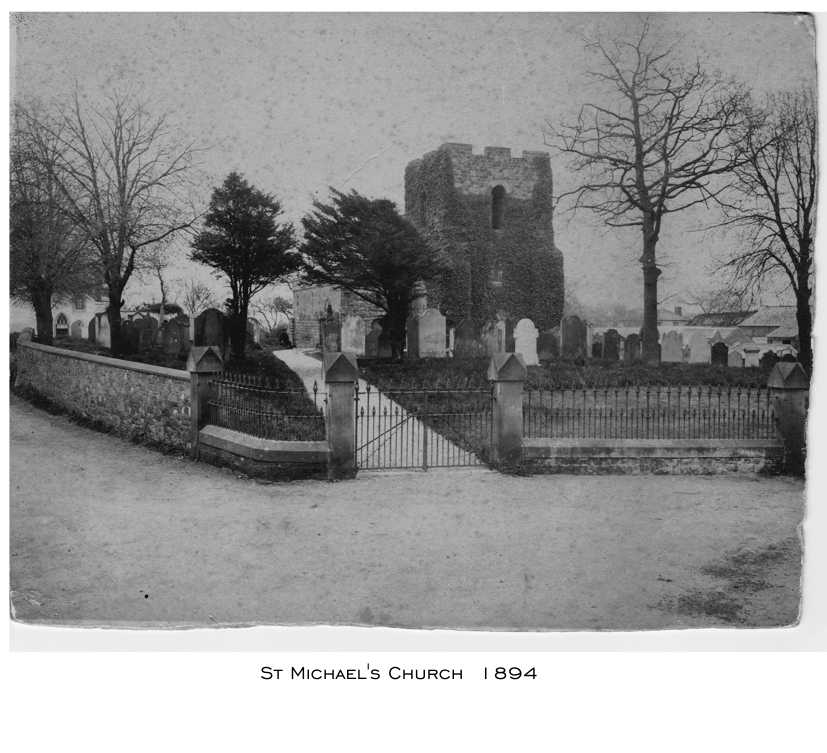
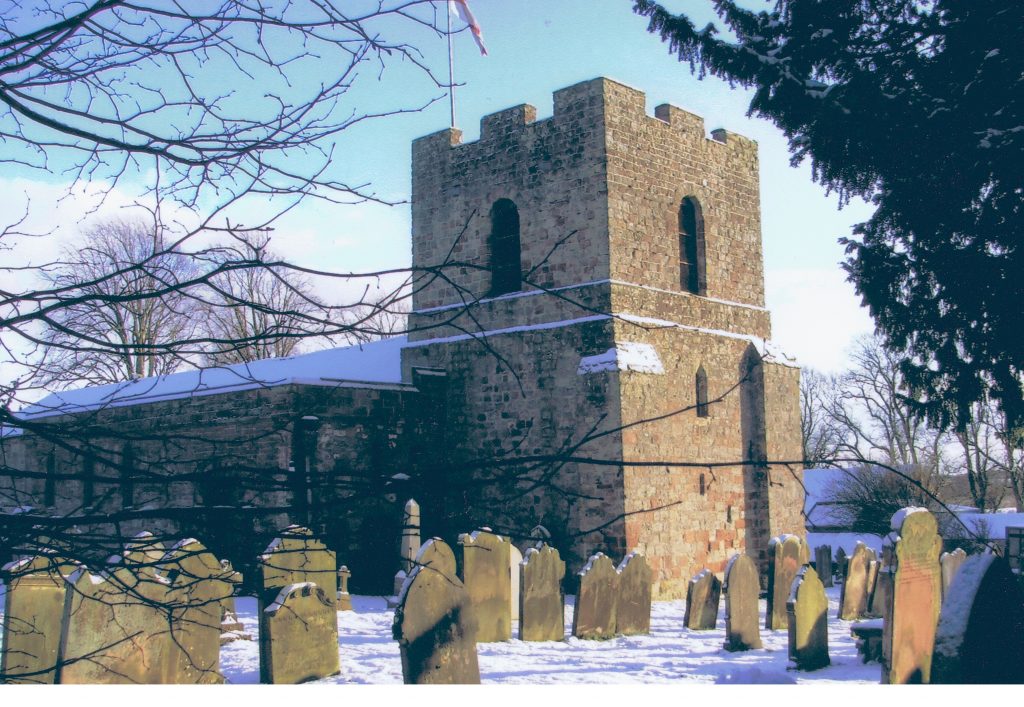
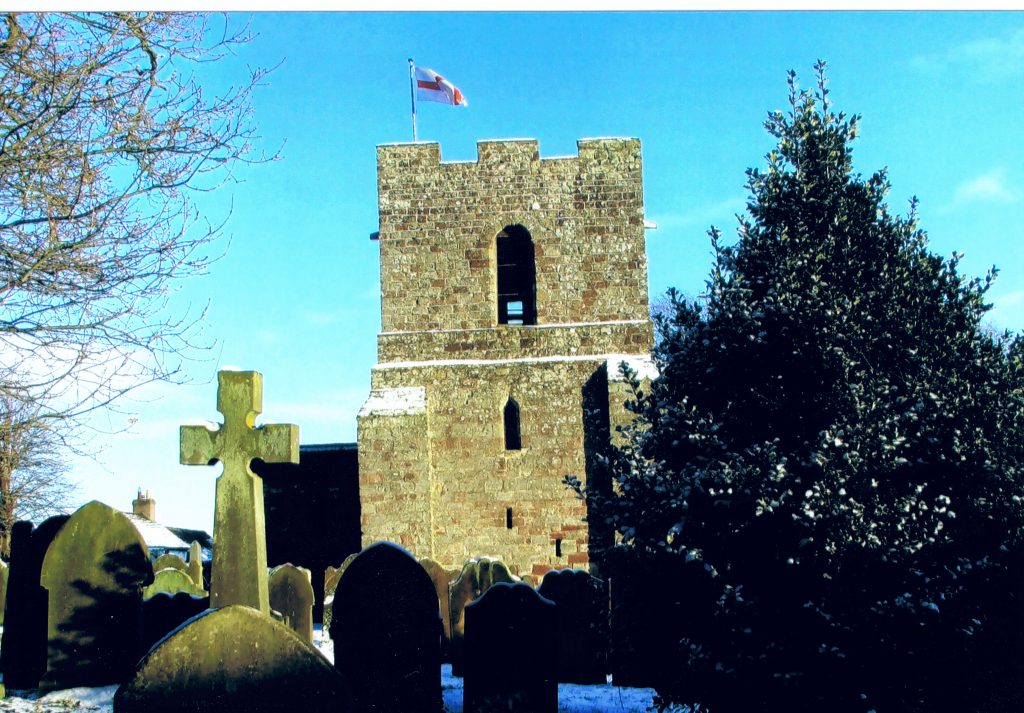
The Church of St Michael is a fortified church built with stones from the Roman wall on the site of a Norman church. It has a broad west tower with a base dating from the mid-14th century (first built in 1360) and apart from the 19th-century north aisle and windows, the rest is Early English.
The tower, which can only be accessed from within the church, was designed for defence and the ground floor is tunnel-vaulted. The internal door to the tower is a ‘yett’, a fortified iron door to repel invaders. The top of the tower is probably 18th century. The church is remarkable for having had two defensive towers, one at each end, a measure of the perceived threat from Scottish raiders. The east tower was the original Vicarage, but is now used as the Vestry. Around 1713, the east tower was lowered to match the roof of the church, so from outside it is not immediately recognisable as a tower. To this day the church has no east window. The Church lies within the Roman fort of Aballava and there are a couple of stones inside the church on the south wall that are carved with a diamond pattern. These were most probably taken from high status buildings from within the Roman fort.
King Edward I:
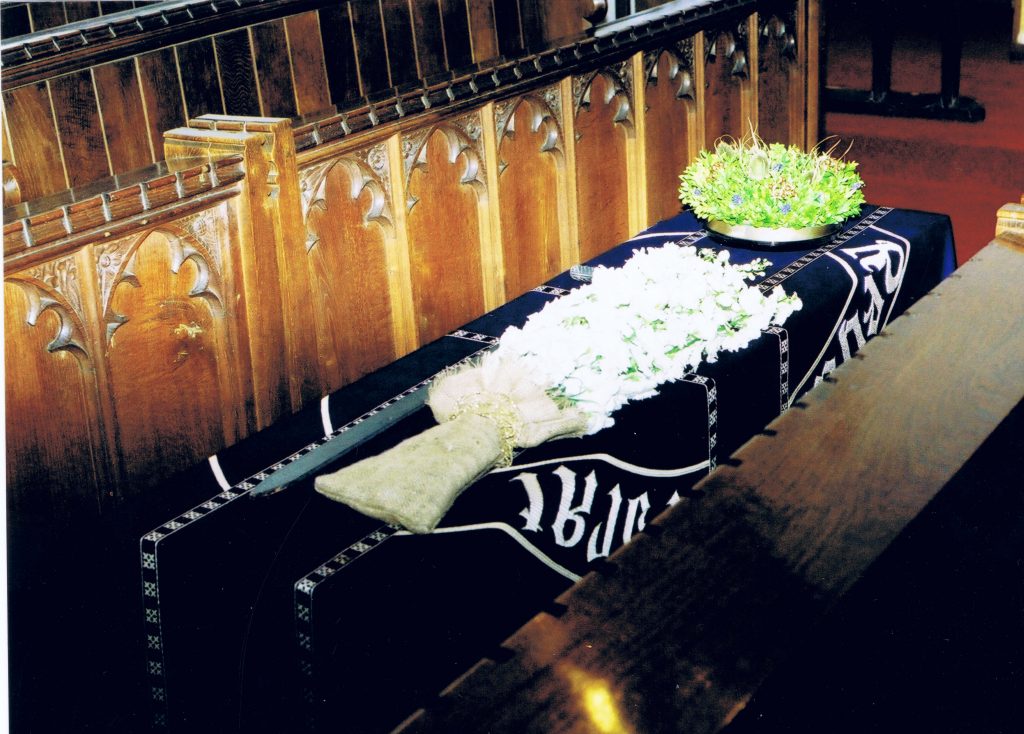
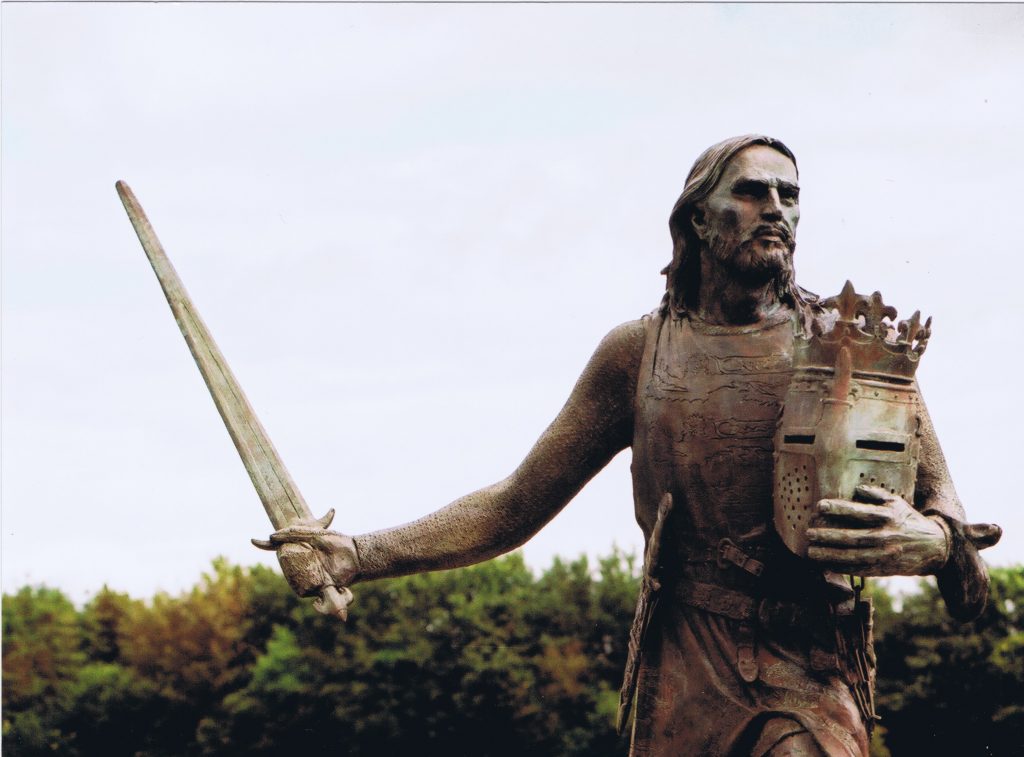
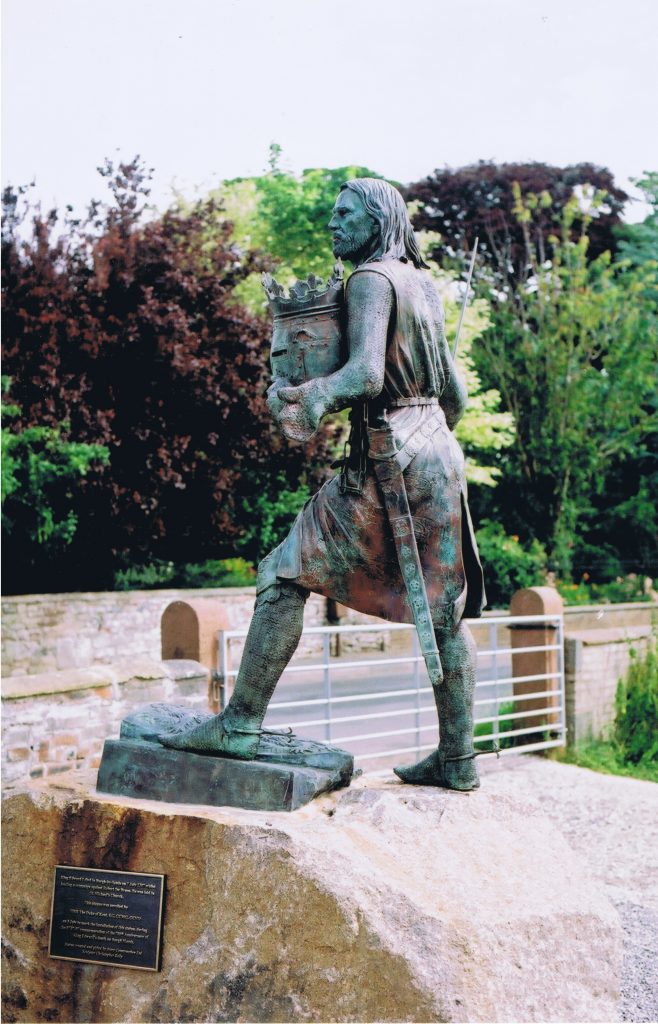
Burgh is also where King Edward I of England died in 1307. The King, whilst on his way to wage war against the Scots, died of dysentery on the marsh just north of the village. His corpse lay in state in the 12th-century church of St. Michael’s until its removal to Westminster Abbey. There is a substantial monument on the marsh, erected in 1685 to mark the place where he died. This is signposted from the village and can be seen from a viewing point that has a small car park. A farm track then then leads you down to the Monument itself, but please make sure you have appropriate footwear when going onto the marsh! More recently an impressive statue of King Edward I has been erected on the Village Green next to the pub.
Transport:
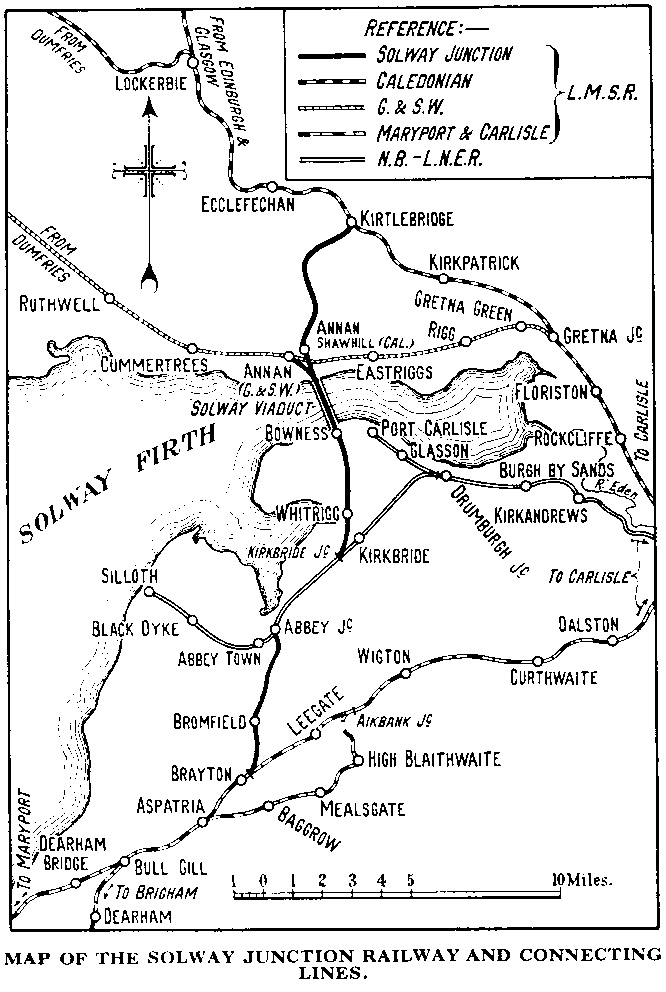
The Carlisle Navigation Canal was opened in 1823, which ran from Fisher’s Cross (renamed to Port Carlisle) in the west, through the Parish and onto Carlisle, terminating on what is now the Port Road Industrial Estate. The canal flourished, but it’s demise came in the late 1840s as a result of ever increasing competition from the expanding railway network. The canal closed in 1853 and within 9 months it was converted into a railway, opening in May 1854. The railway line was further extended to down Silloth, where a new deeper and larger dock had been constructed. Whilst the railway branch to Port Carlisle closed in 1932, the Silloth branch remained in operation until 1964, closing as part of the Beeching cuts. Remains of the canal and railway can still be clearly seen throughout the Parish and beyond. Burgh-by-Sands station also still exists to this day and is now a private residence.


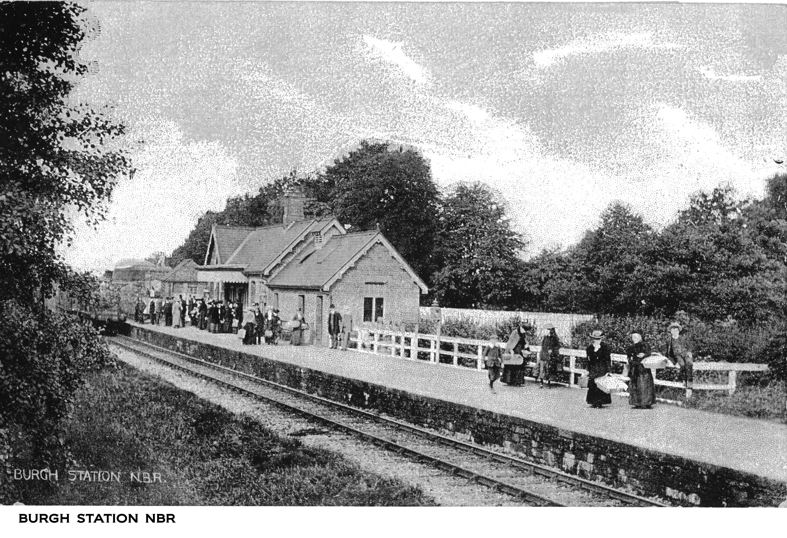
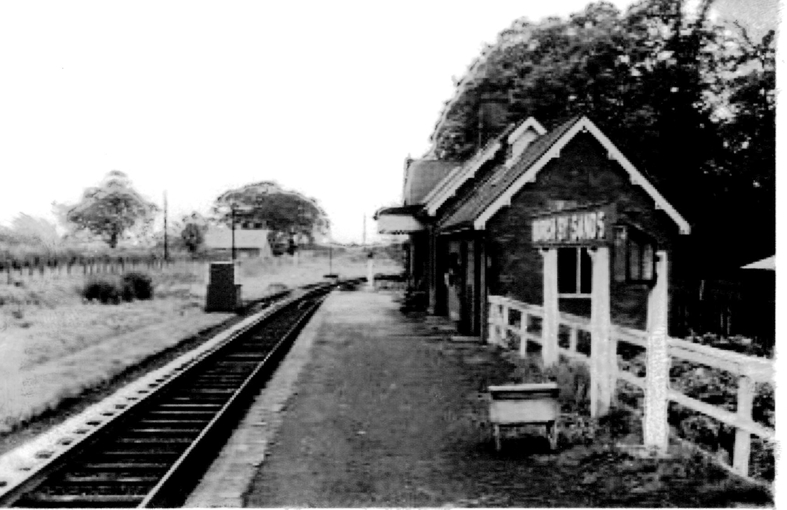
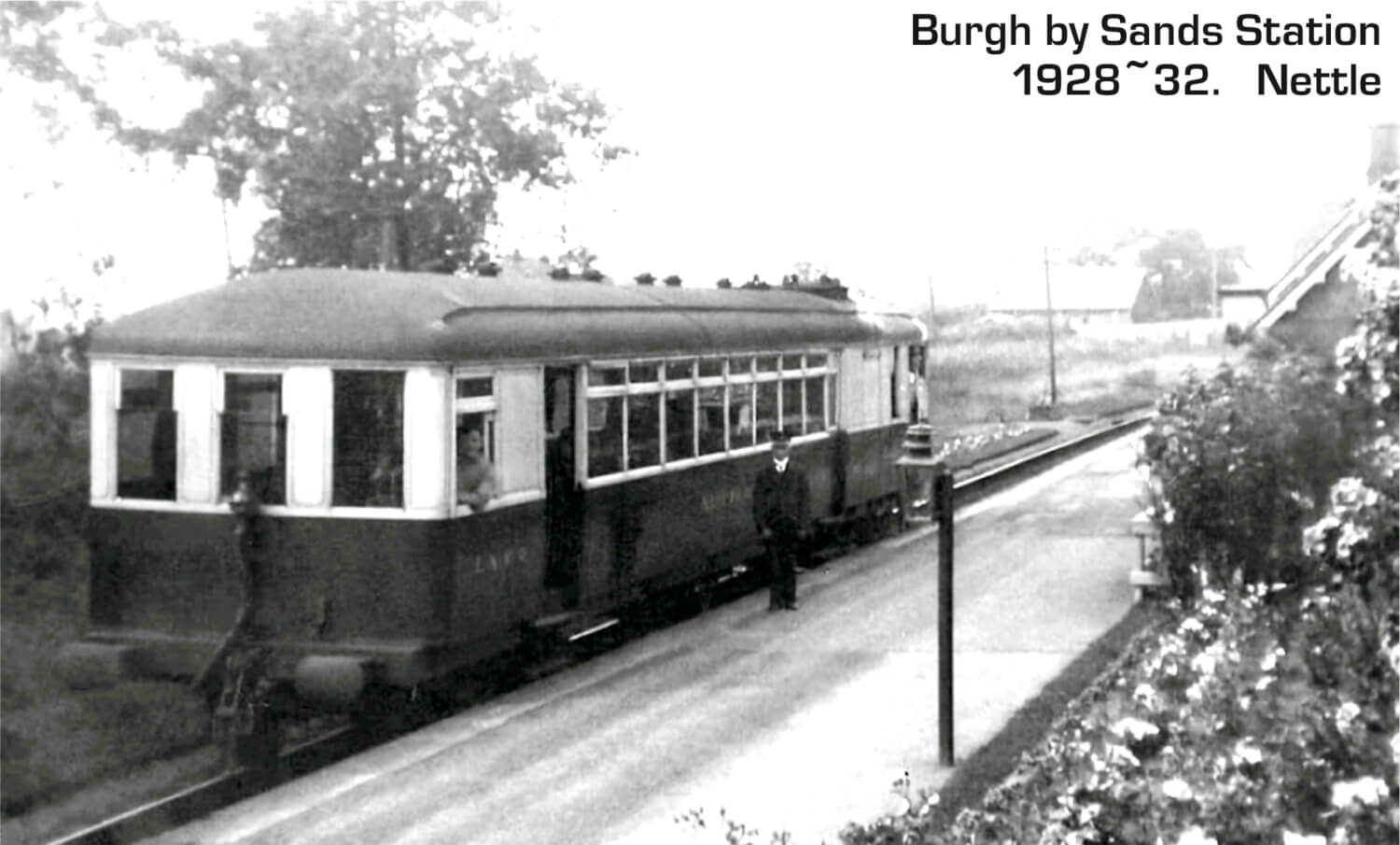
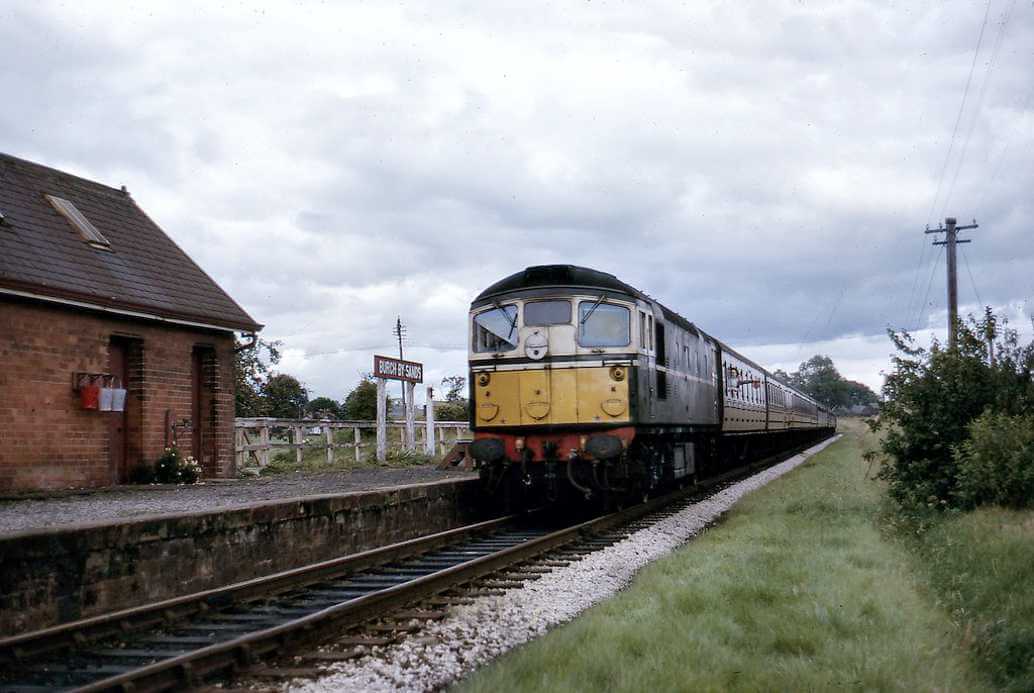
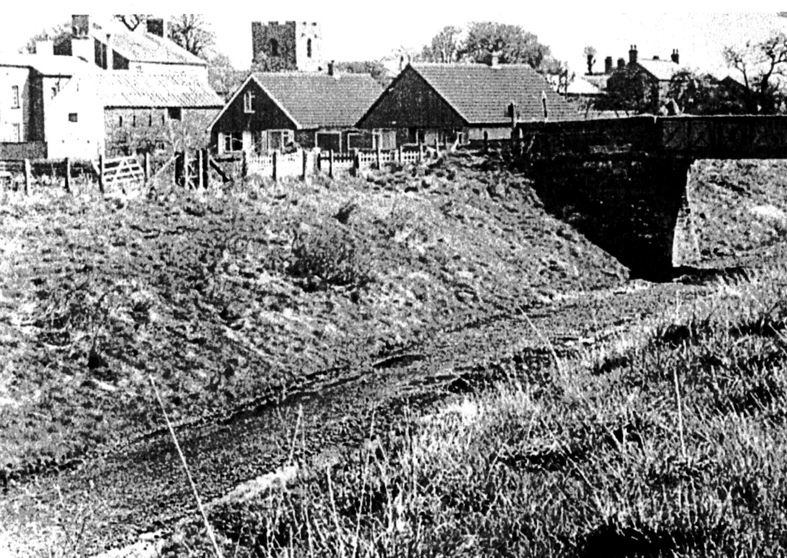
The Ludgate bridge (c 1966). The foreground now houses the Village Playground.

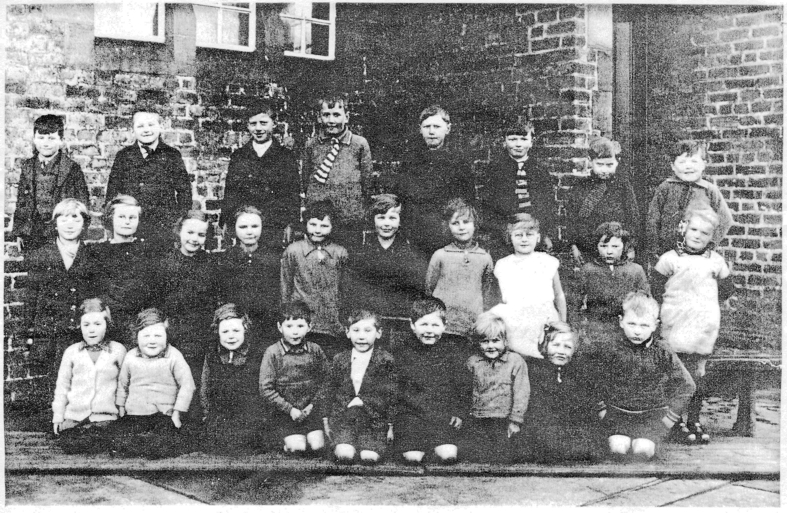


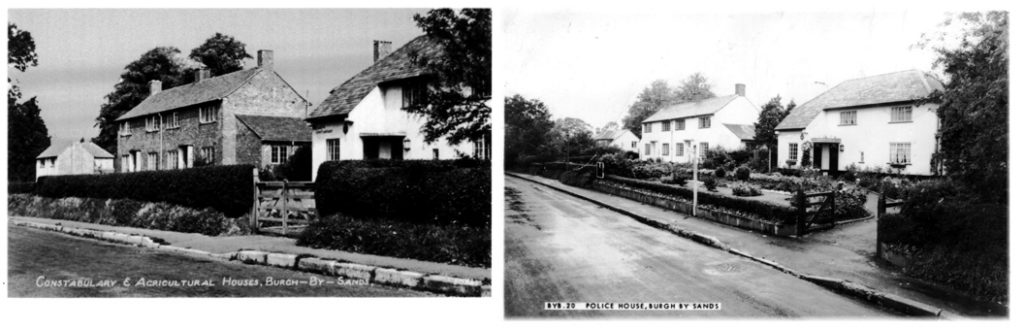



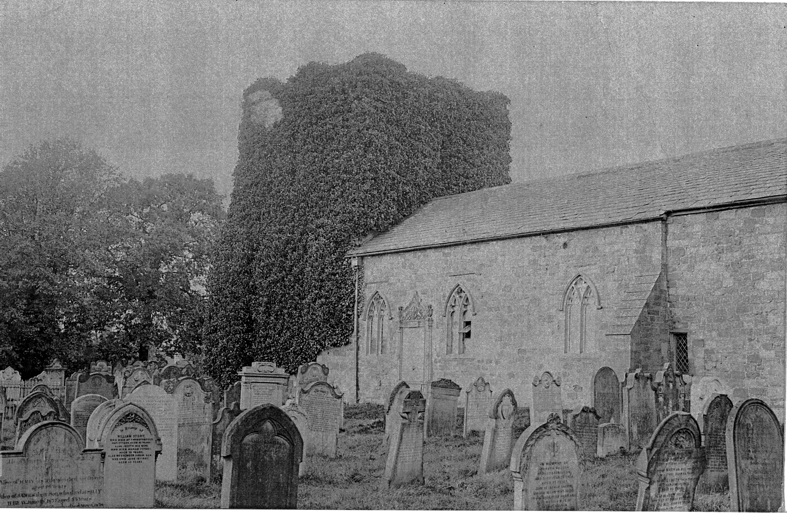


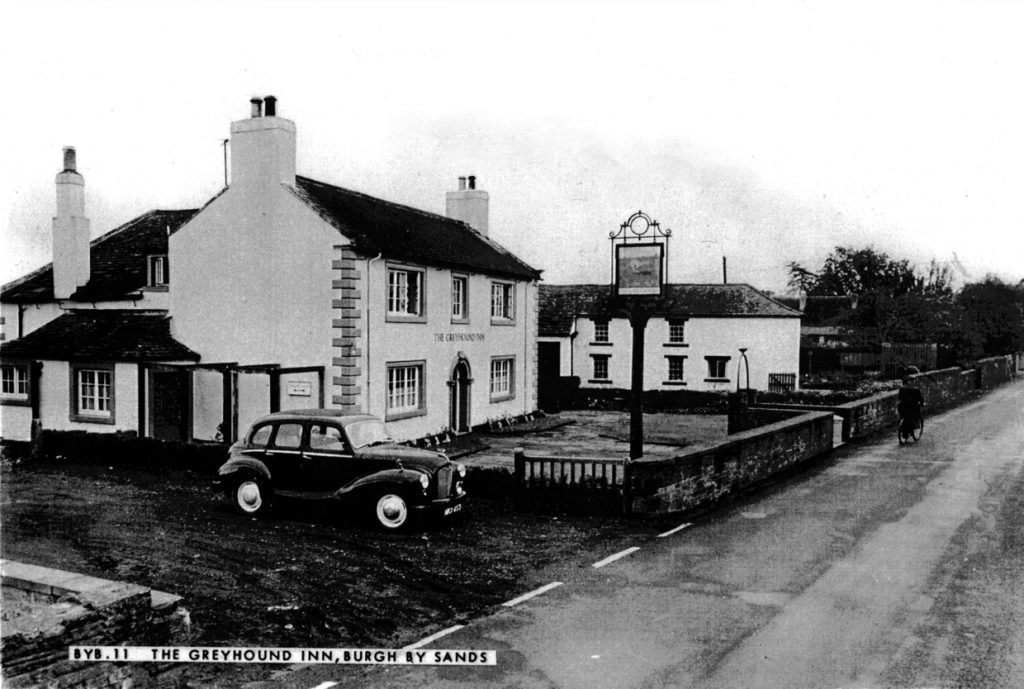

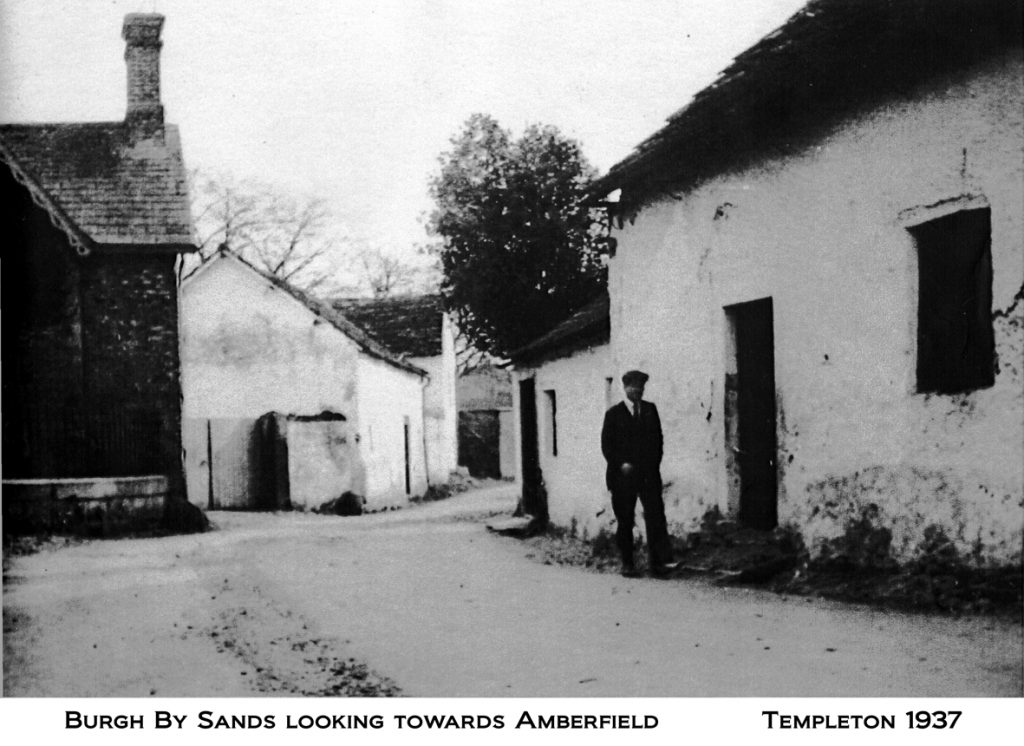


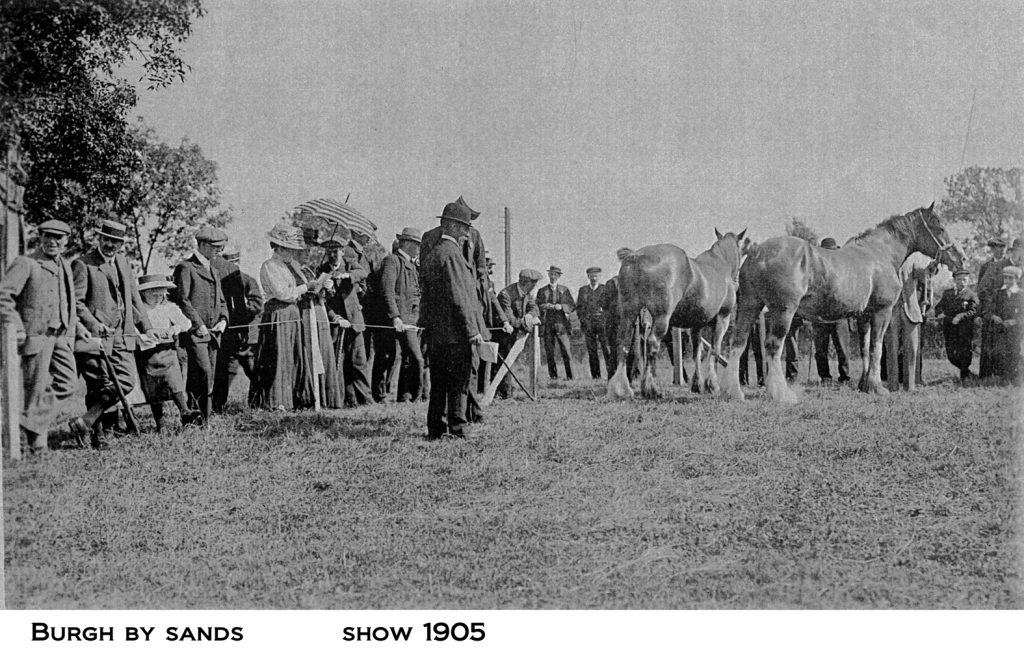


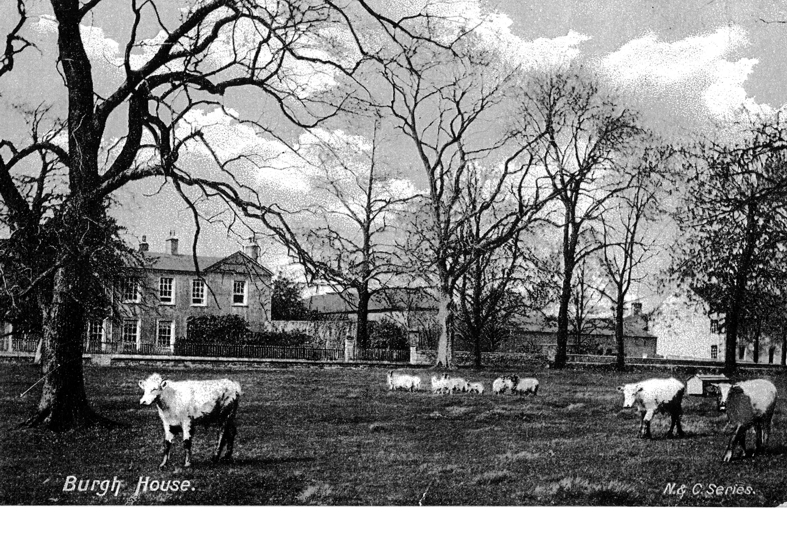


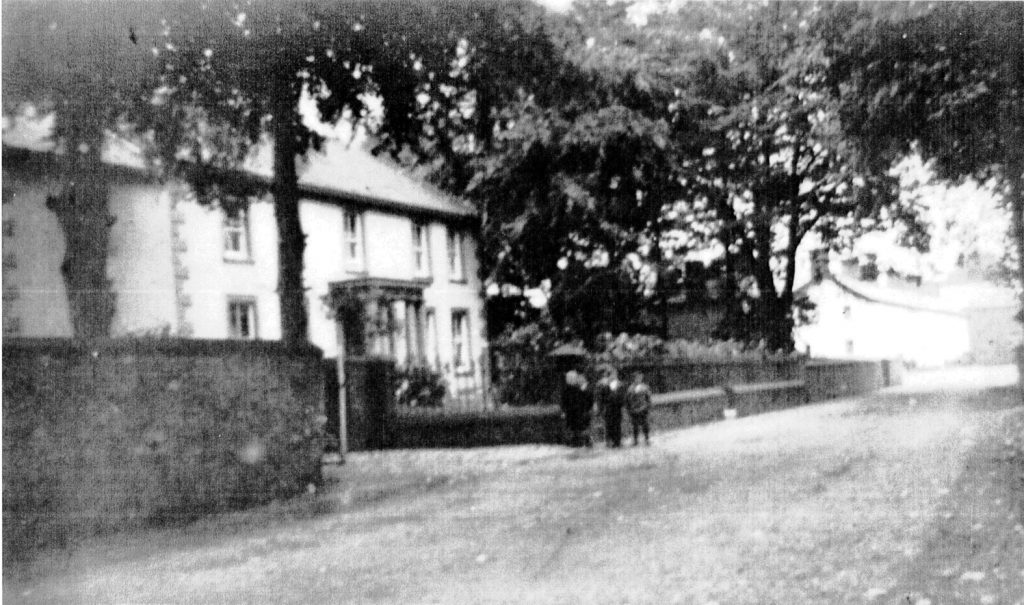
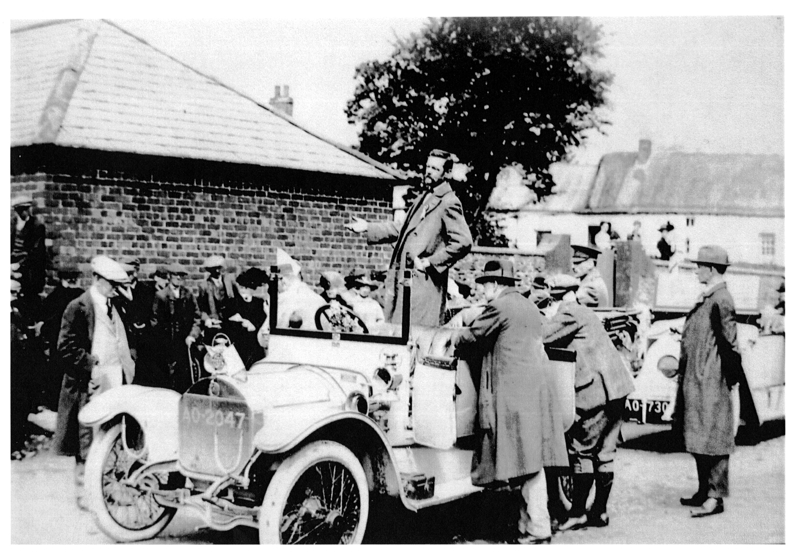
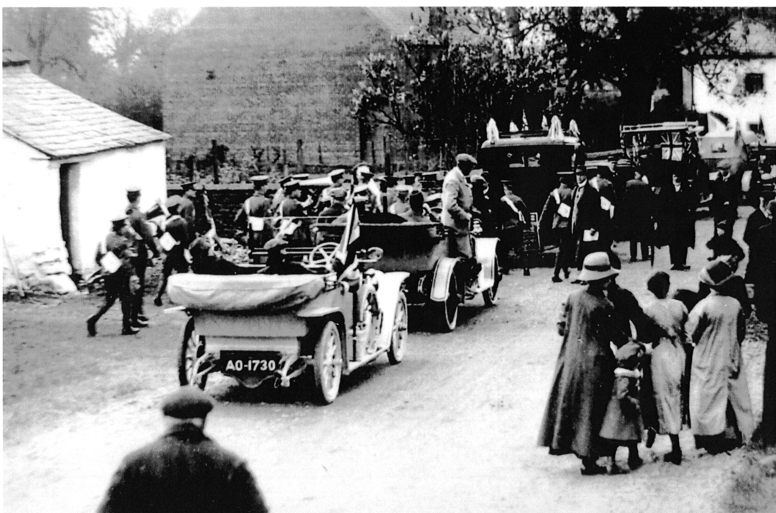


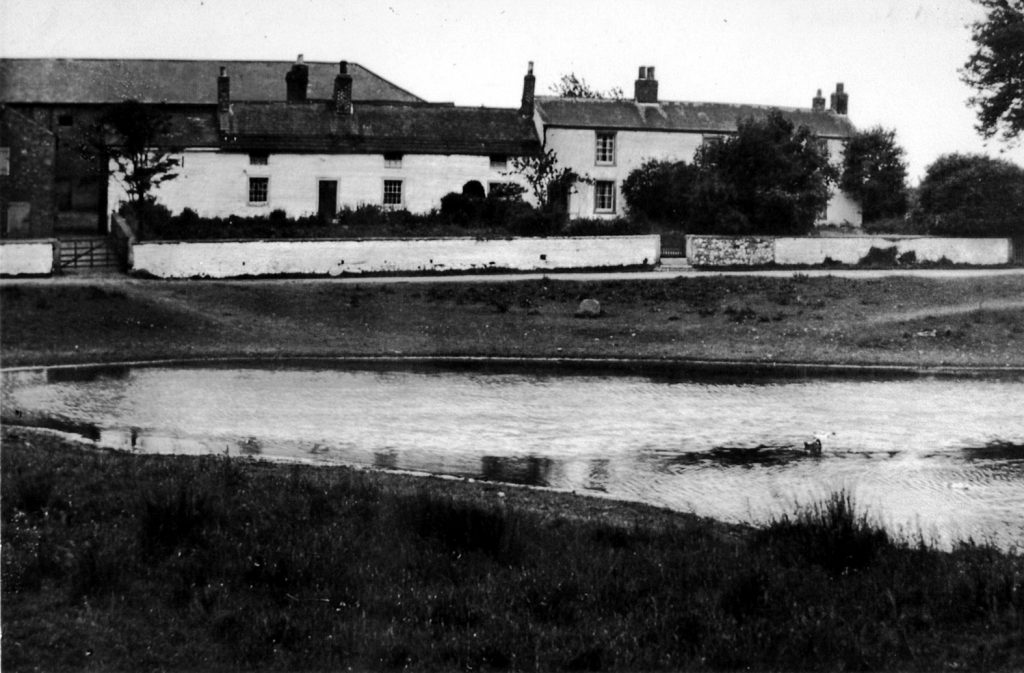
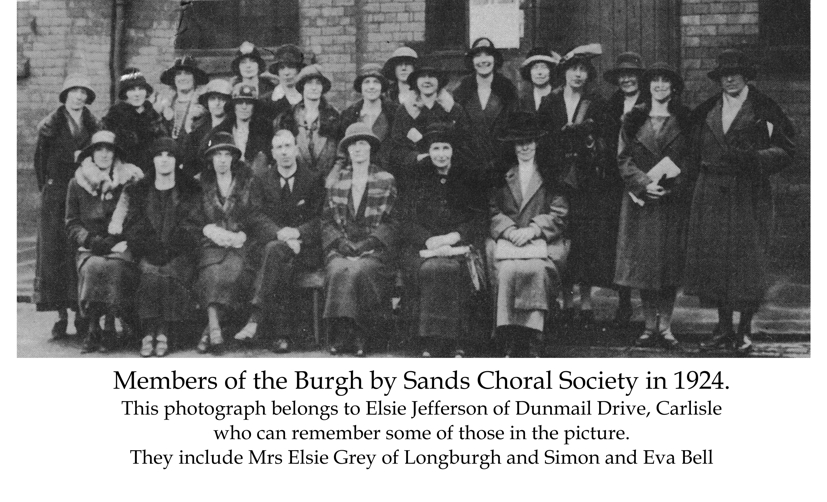

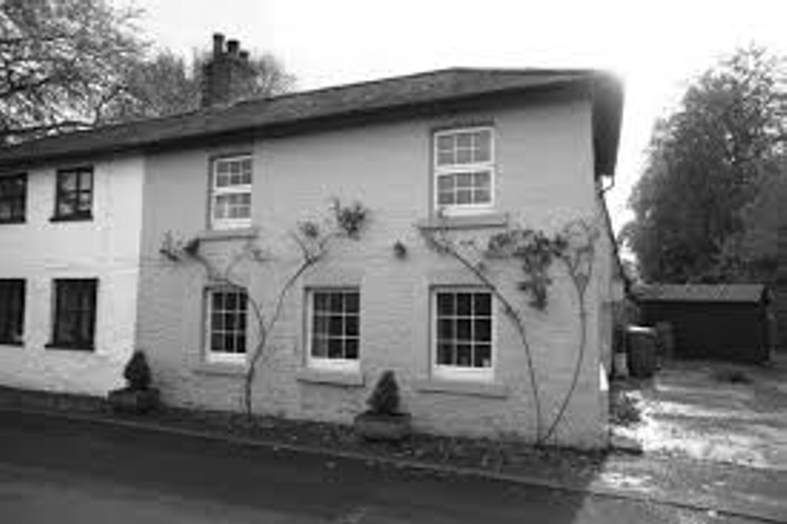

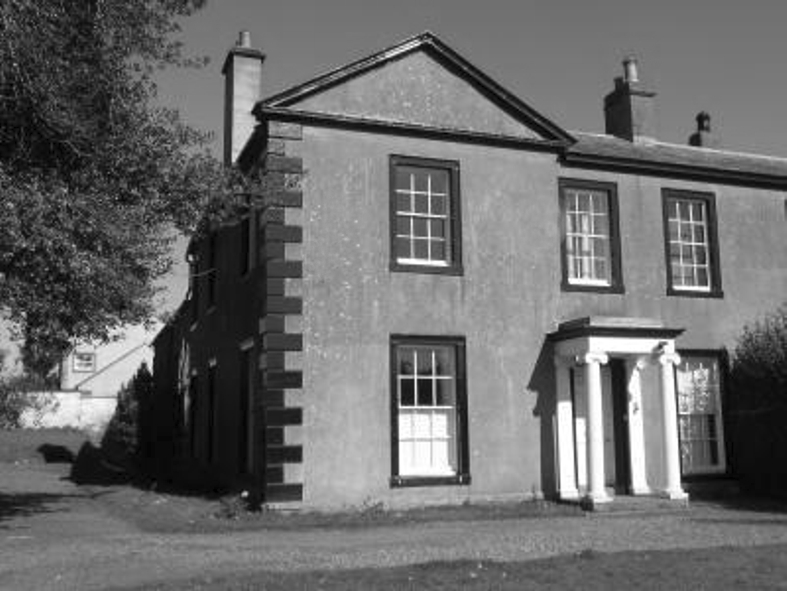
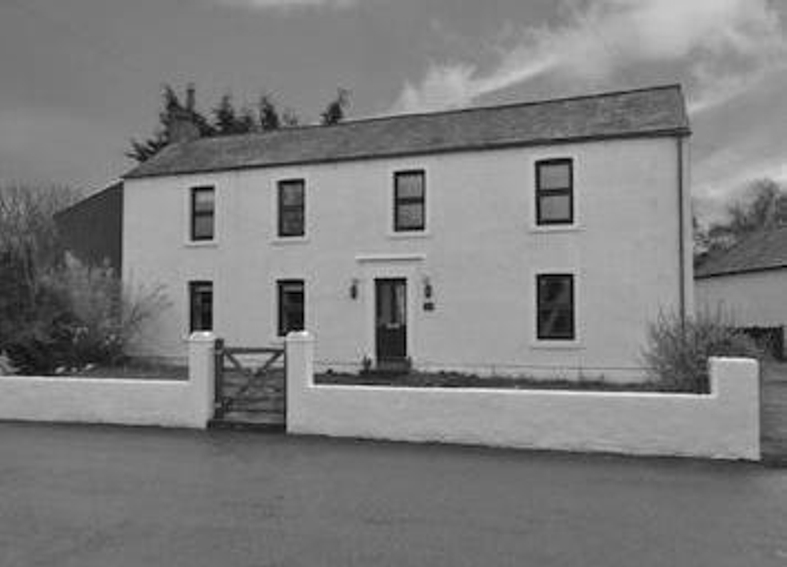
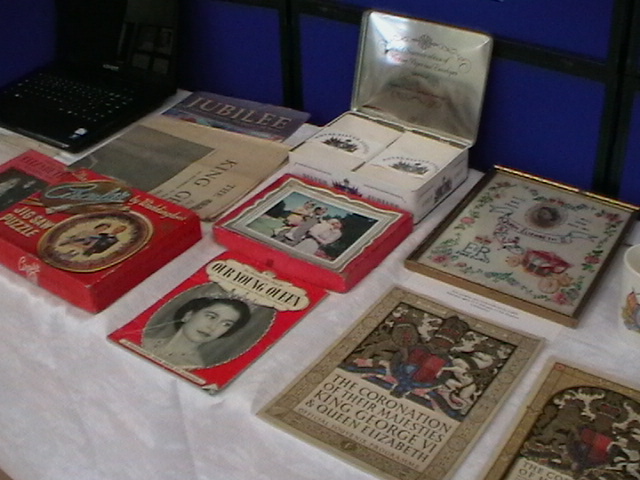
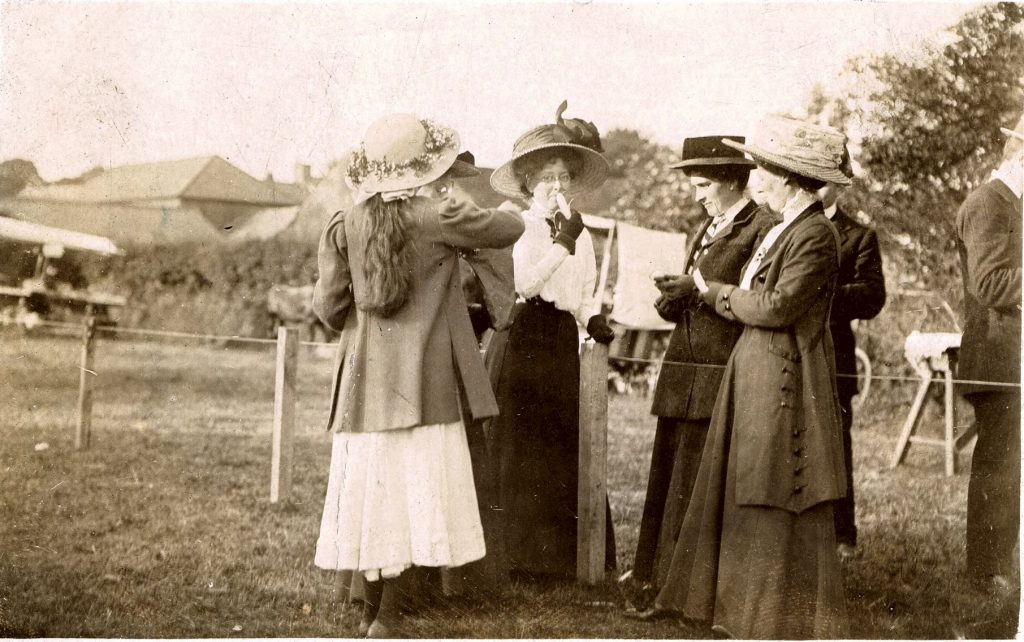
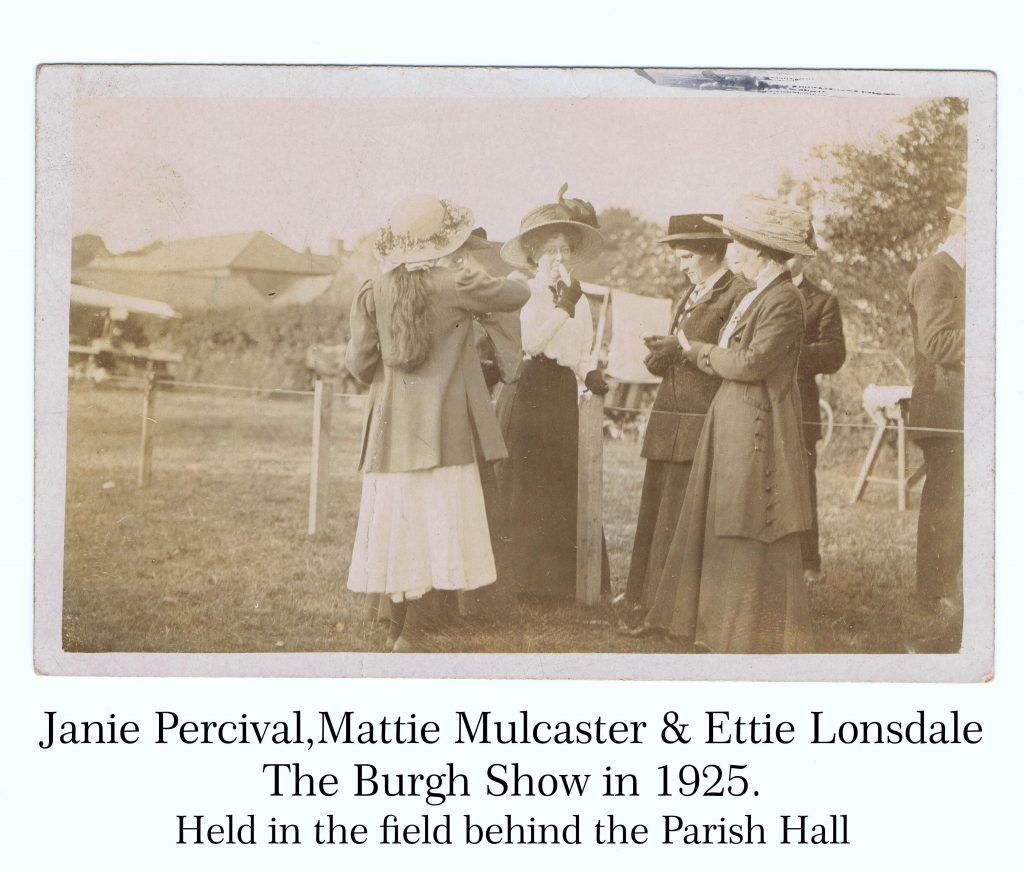
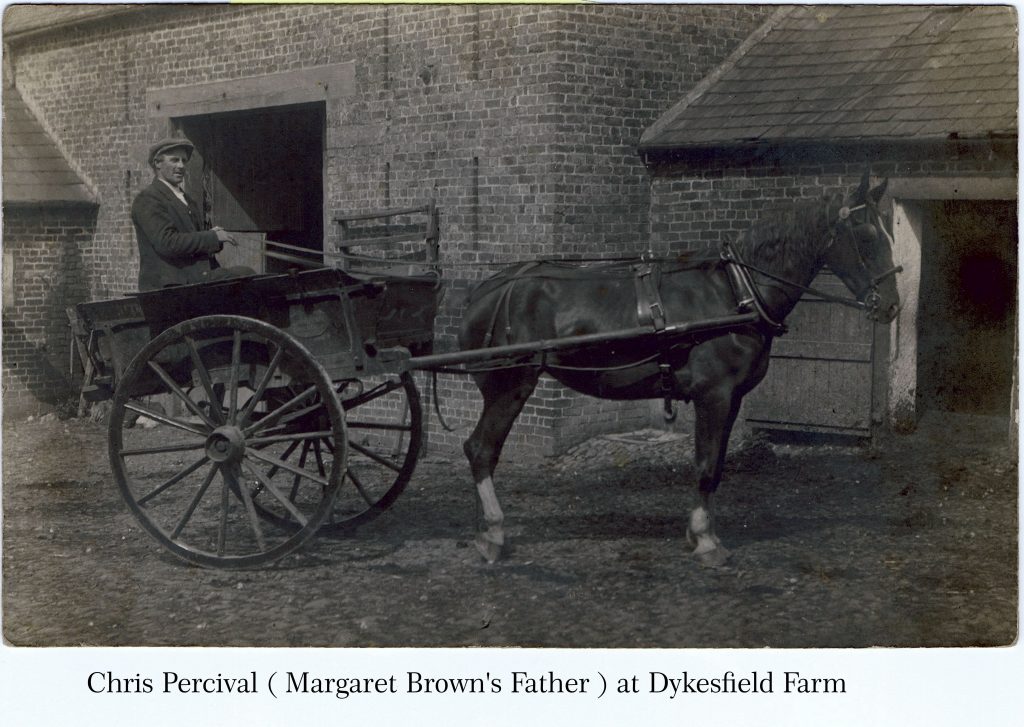
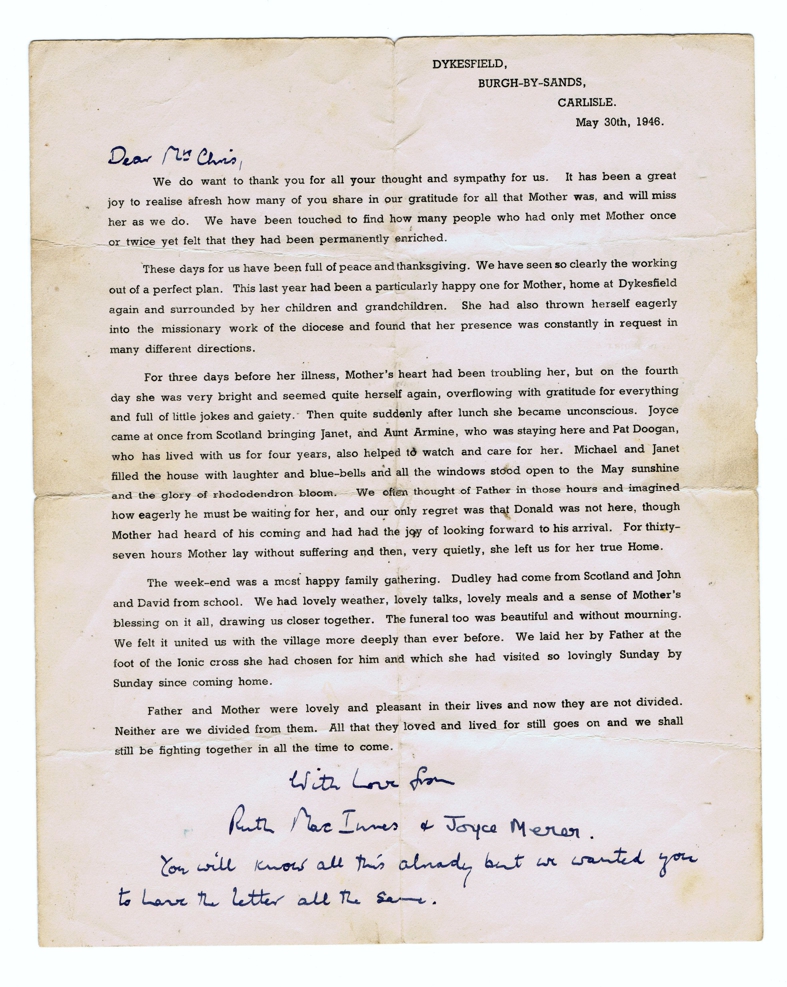
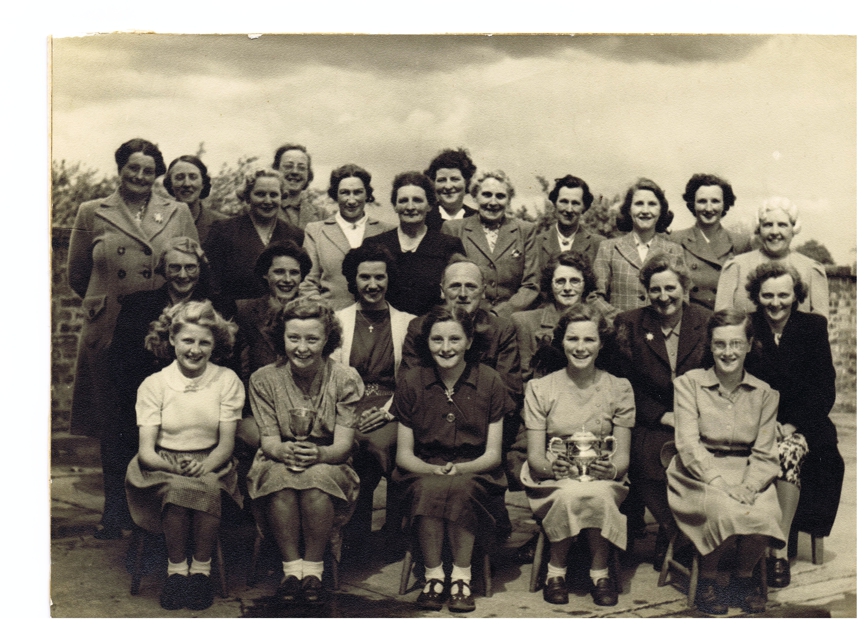
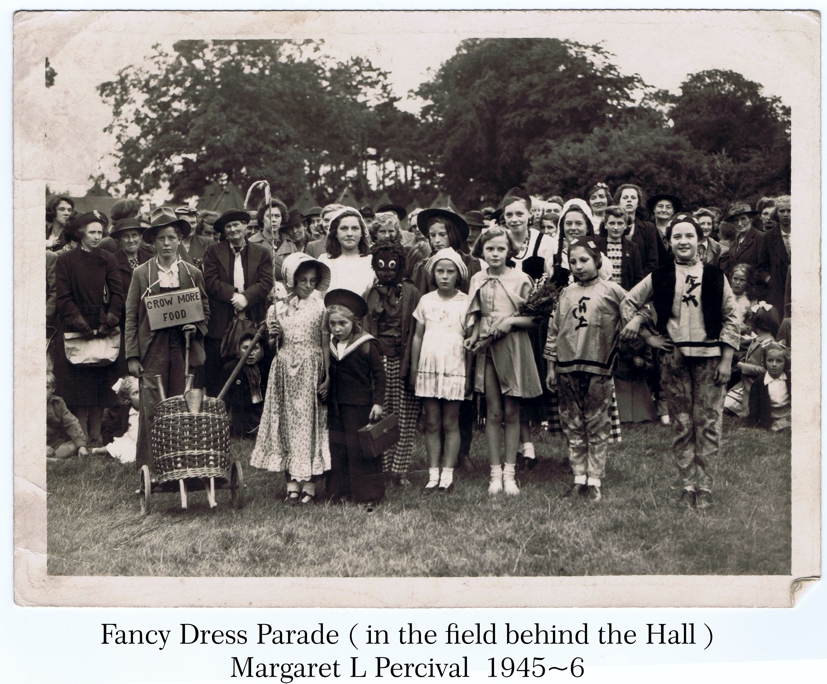
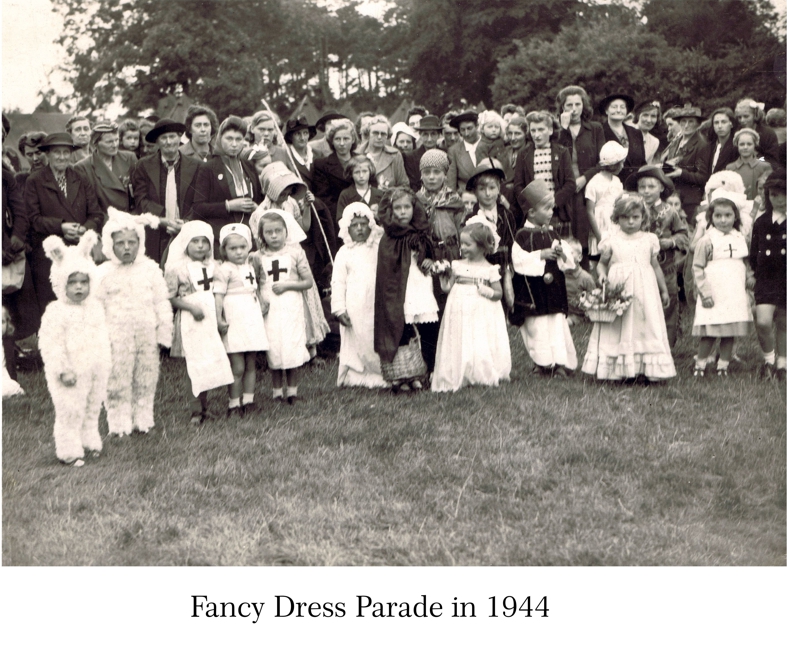
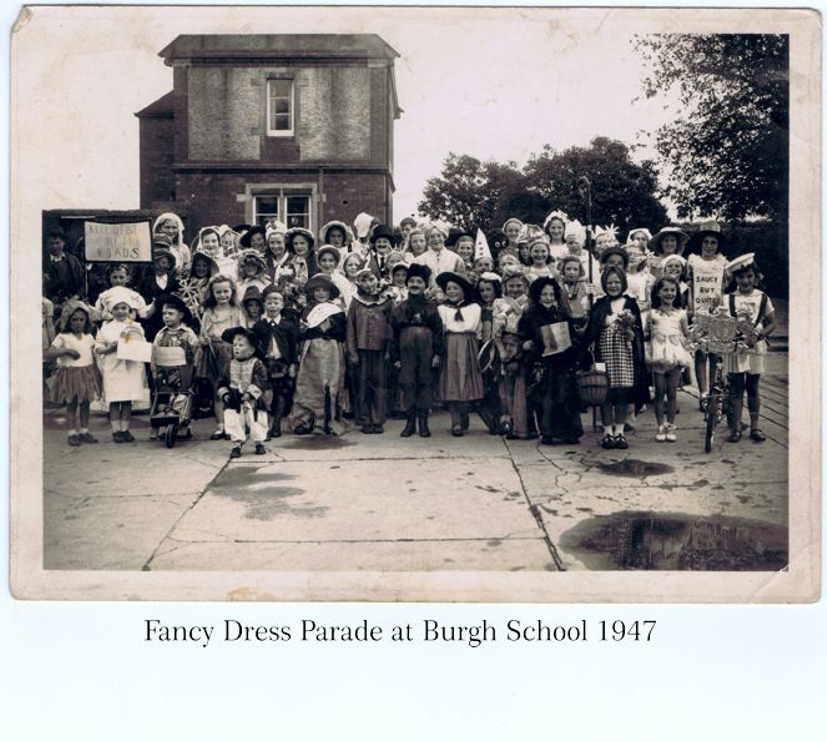
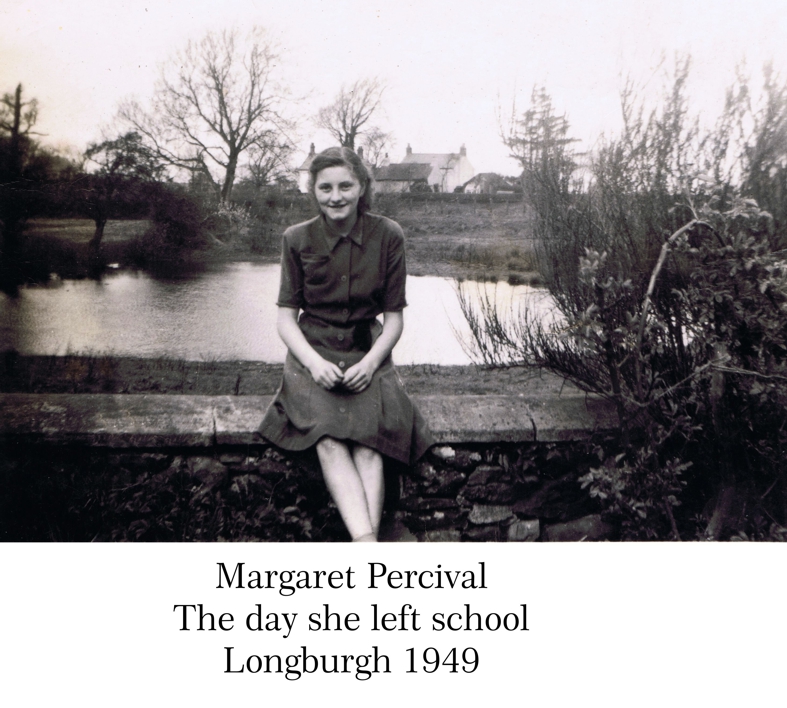
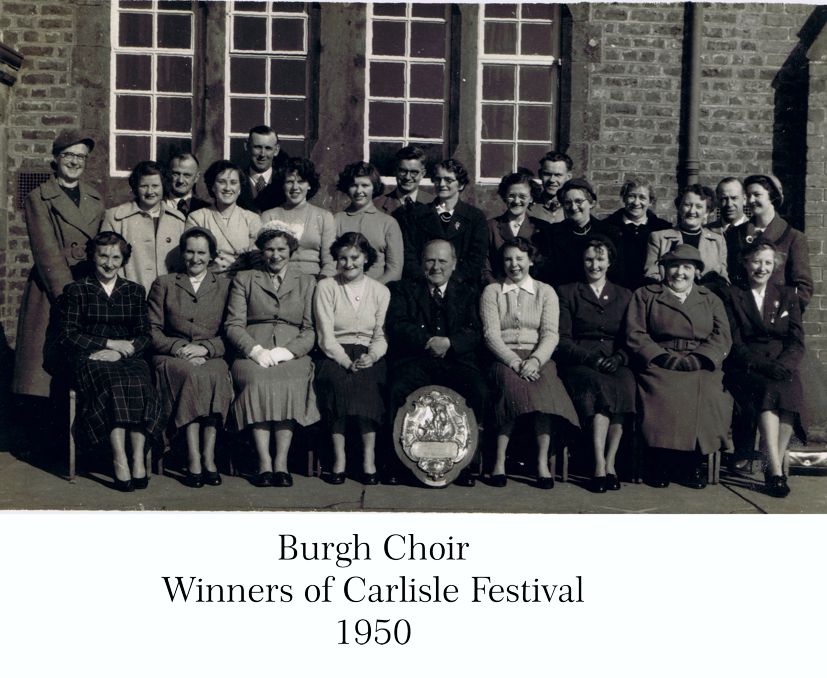
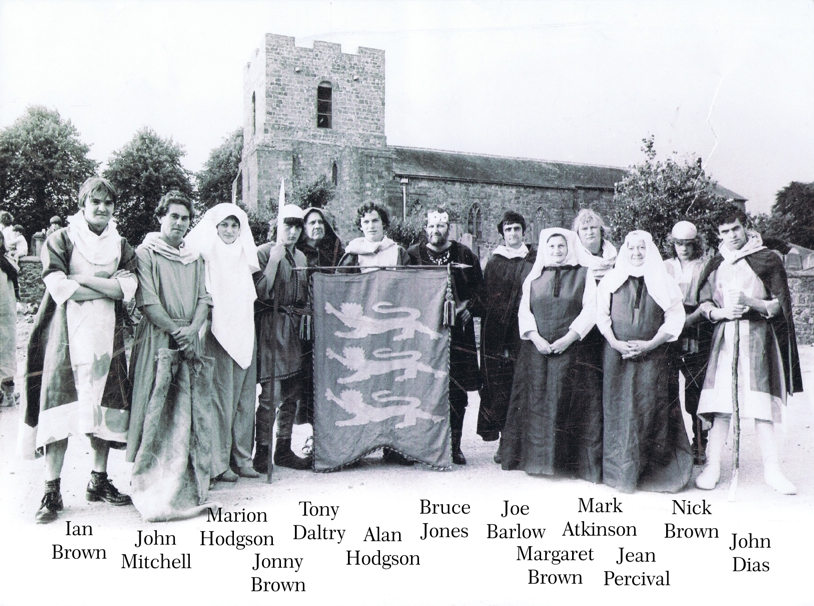
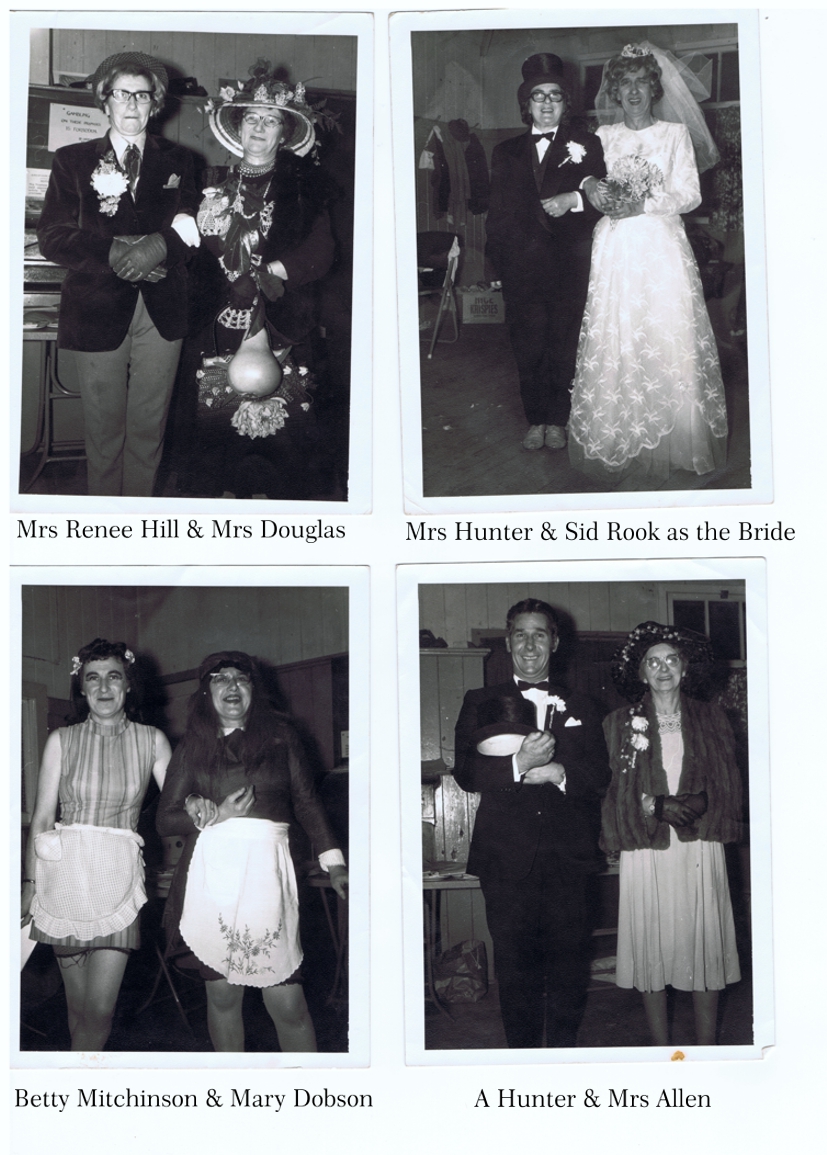
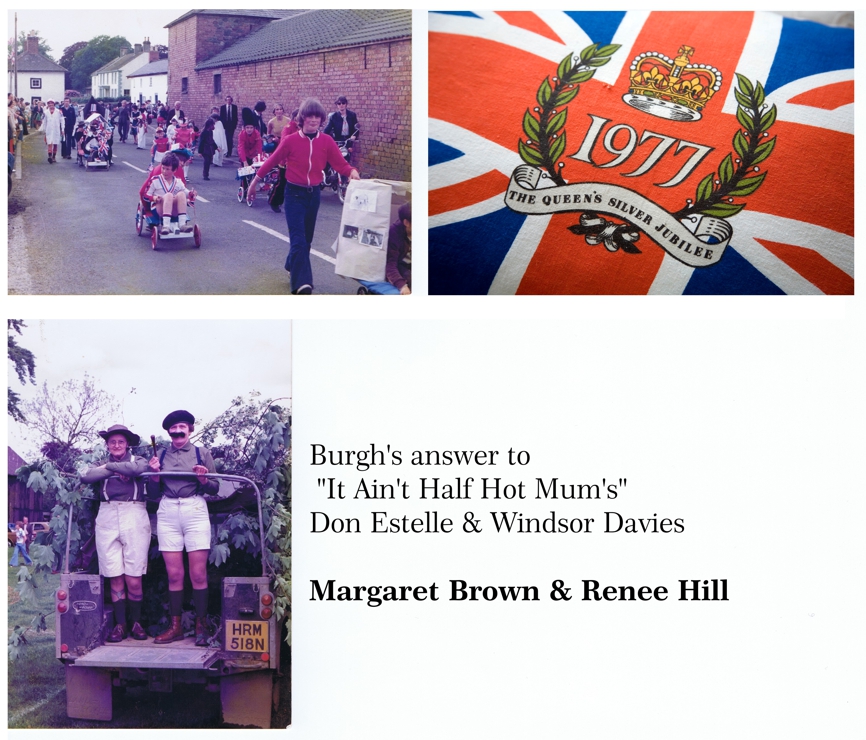
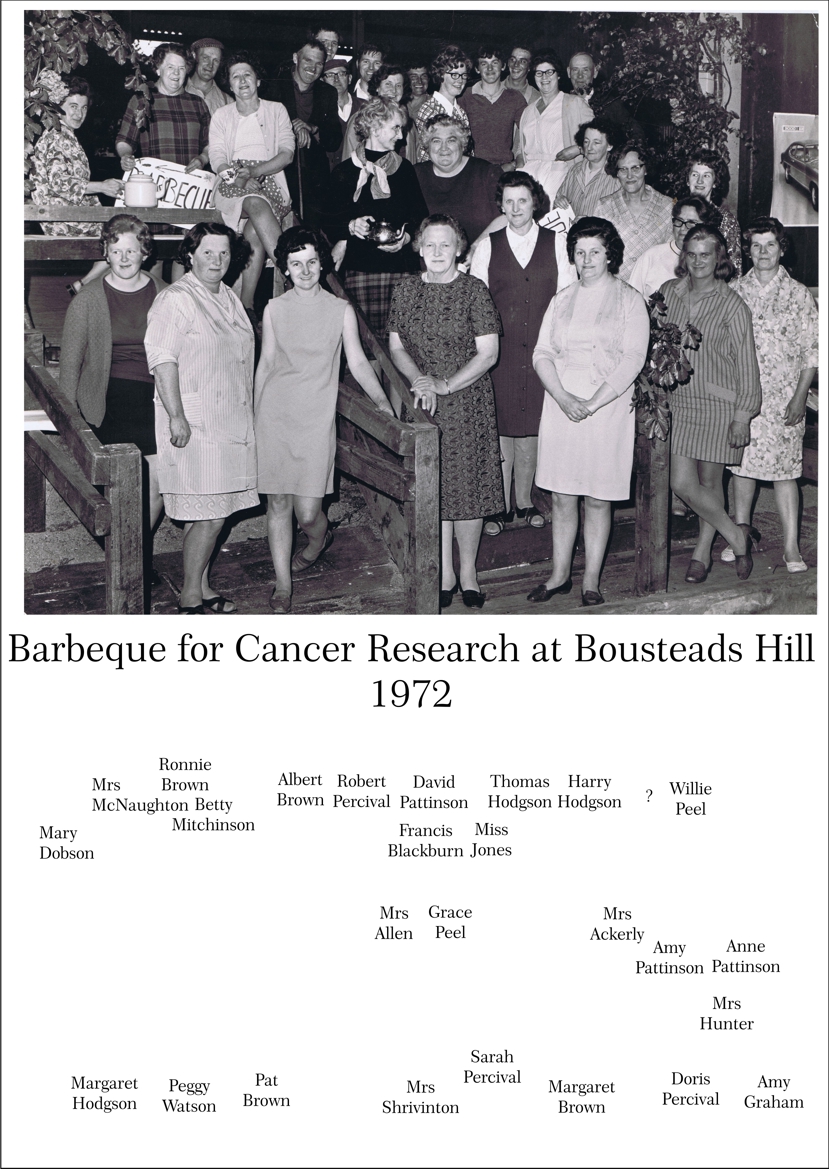
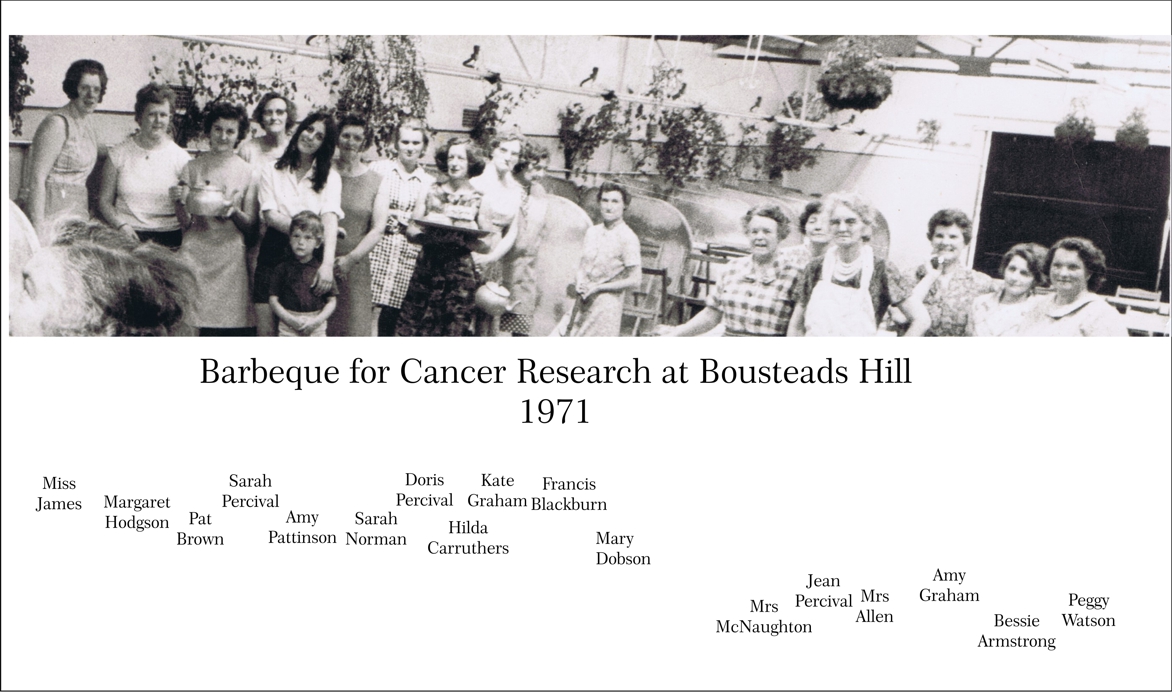
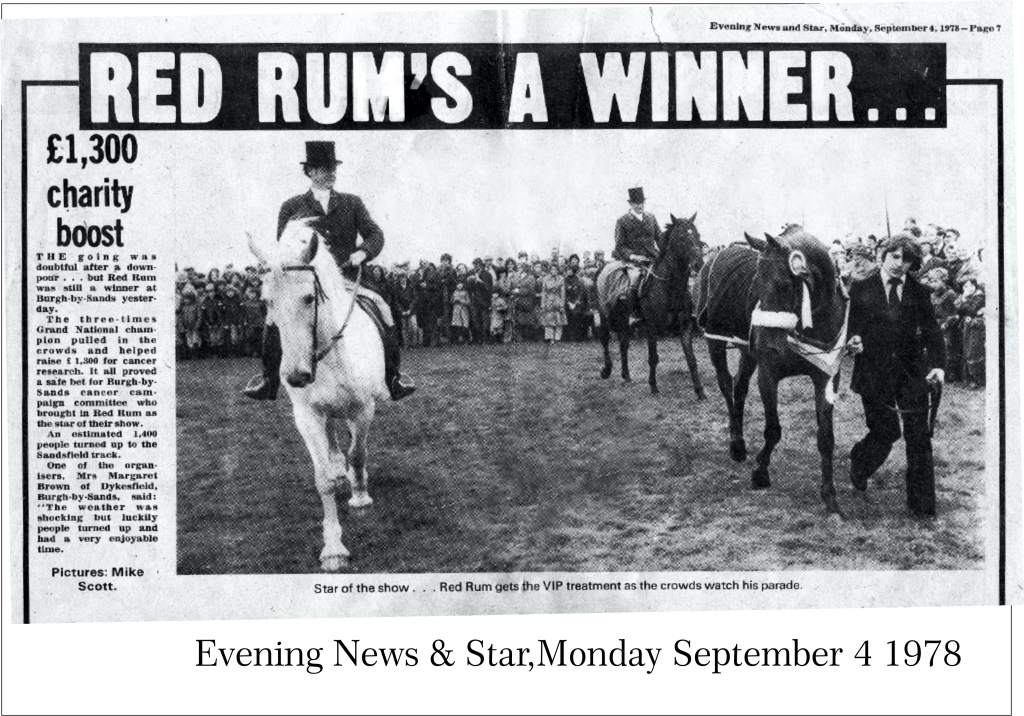
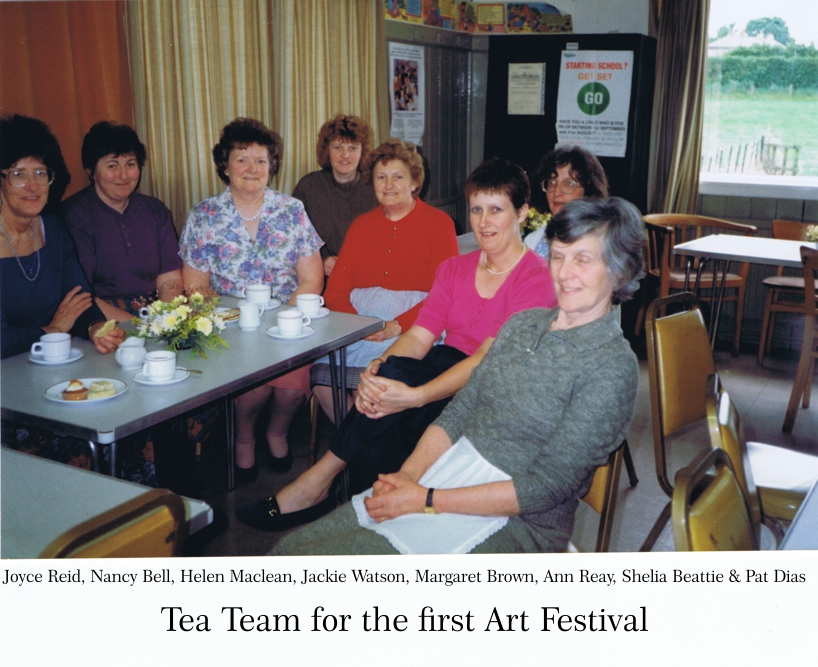
Margaret Brown MBE a life time resident of Boustead Hill & Burgh by Sands has kindly shared her collection
of “Memories”




















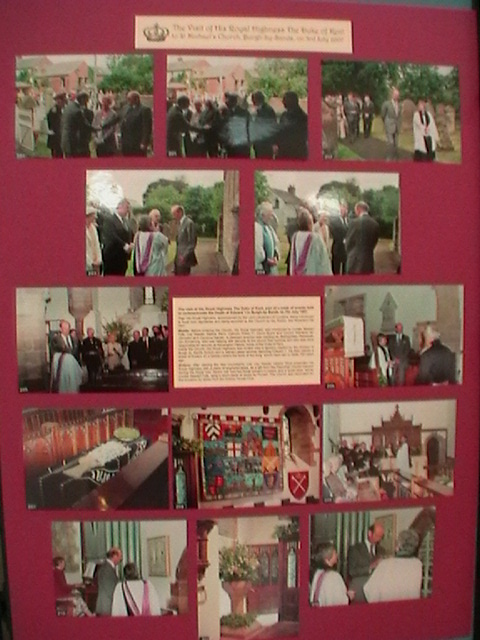
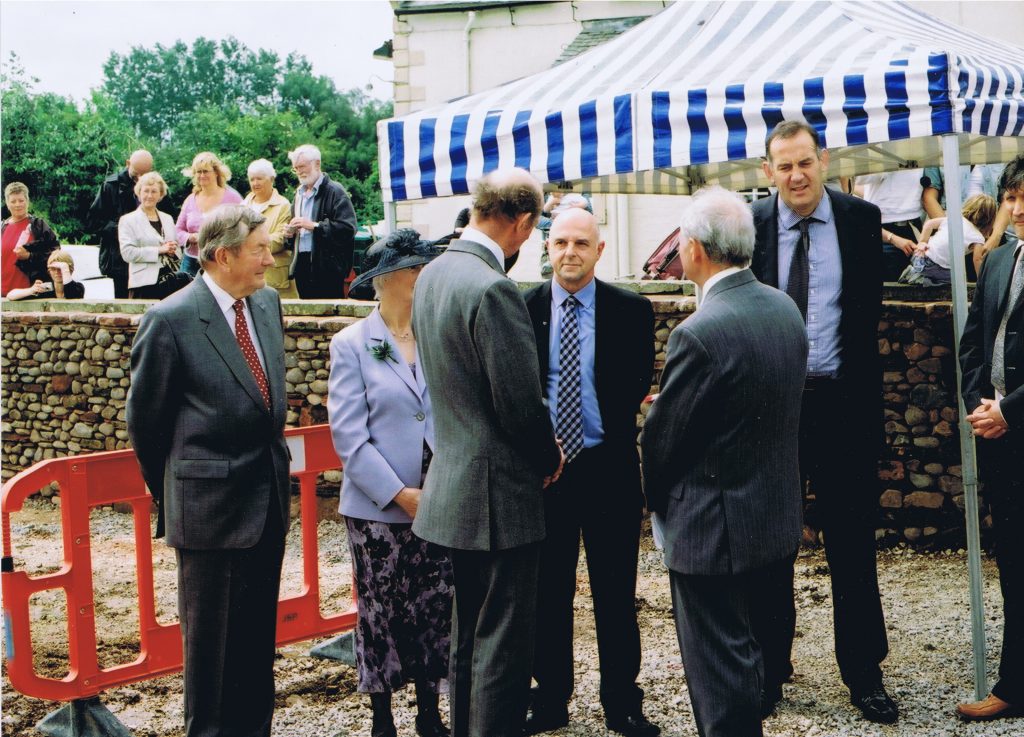
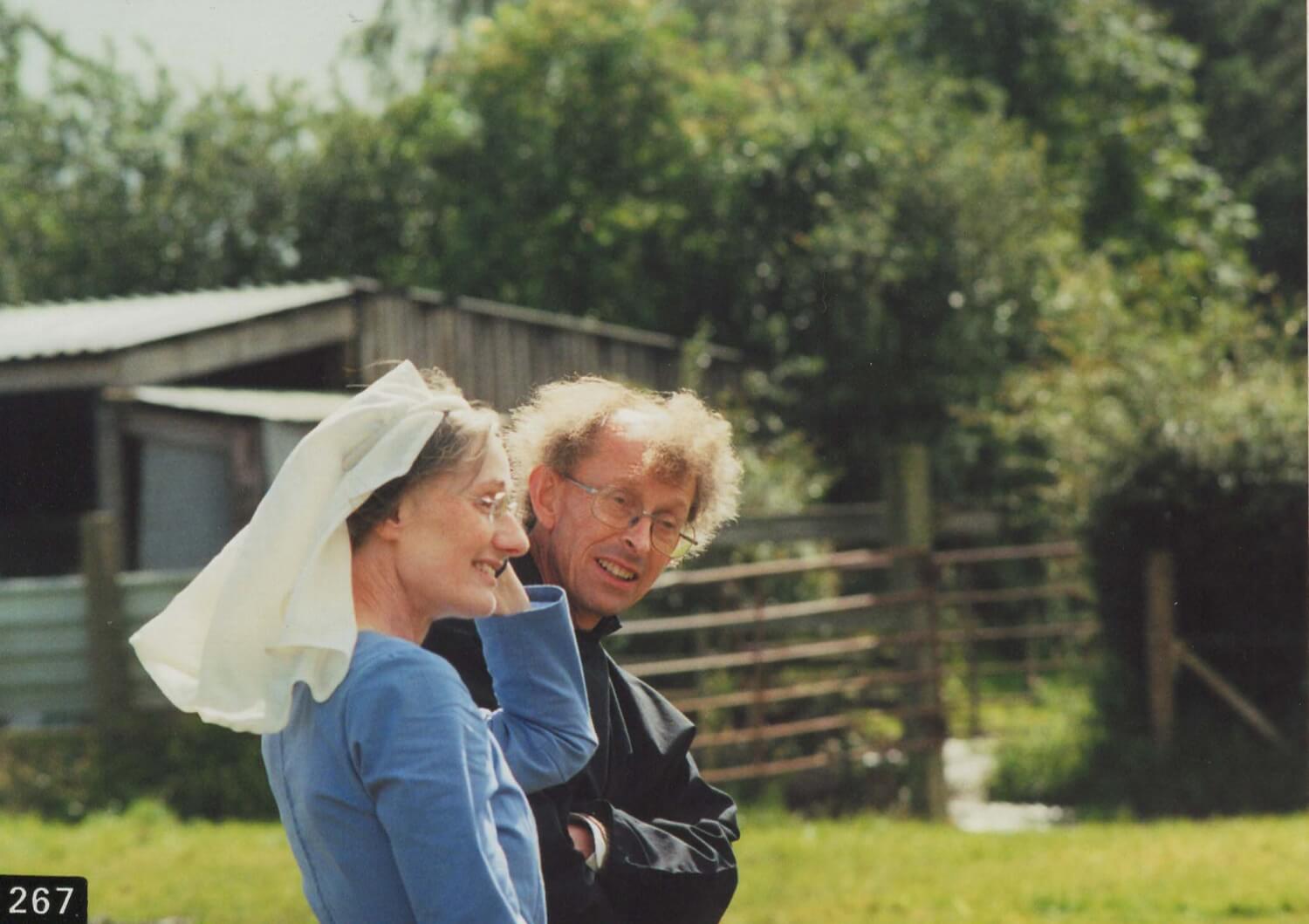
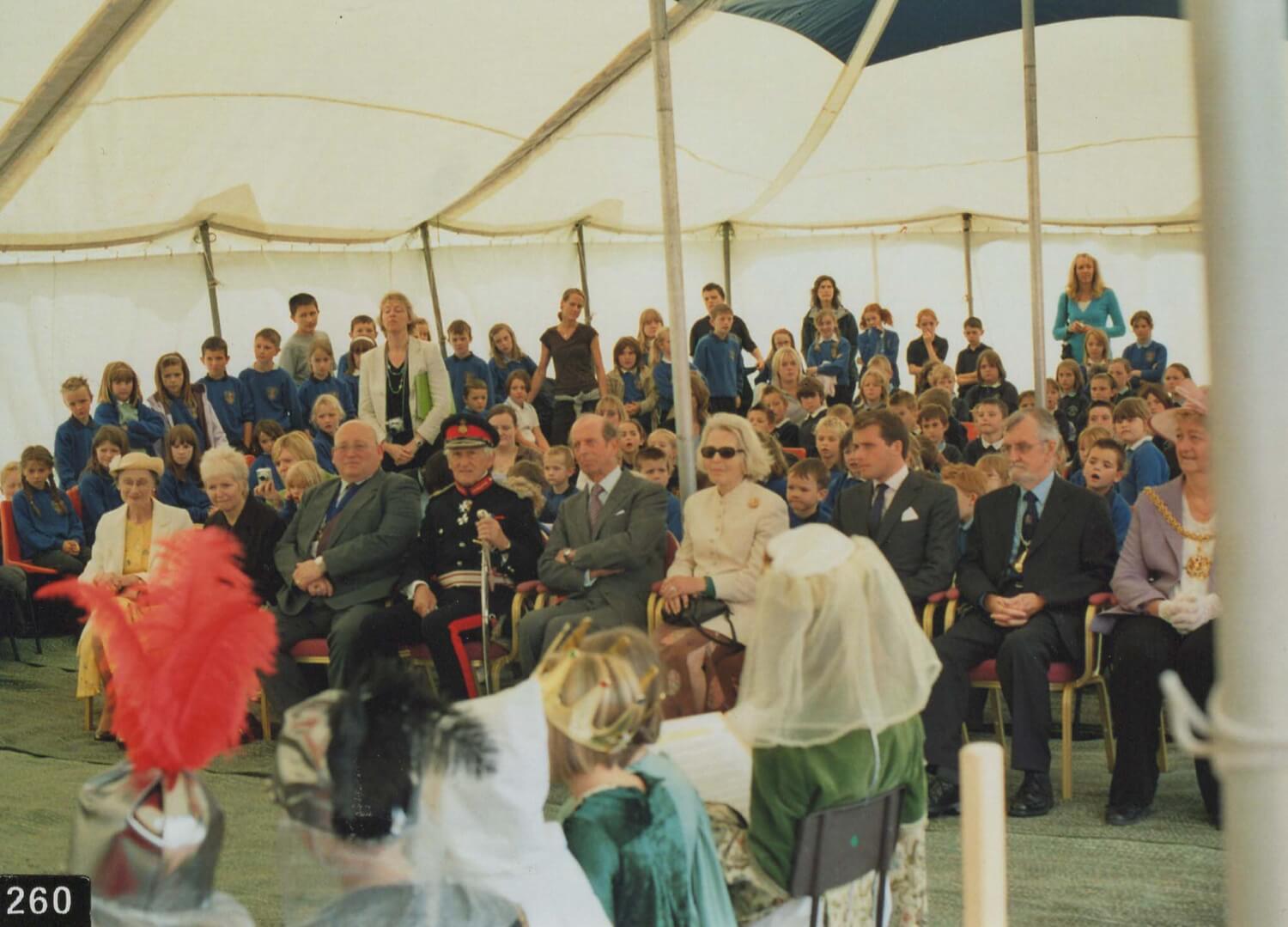
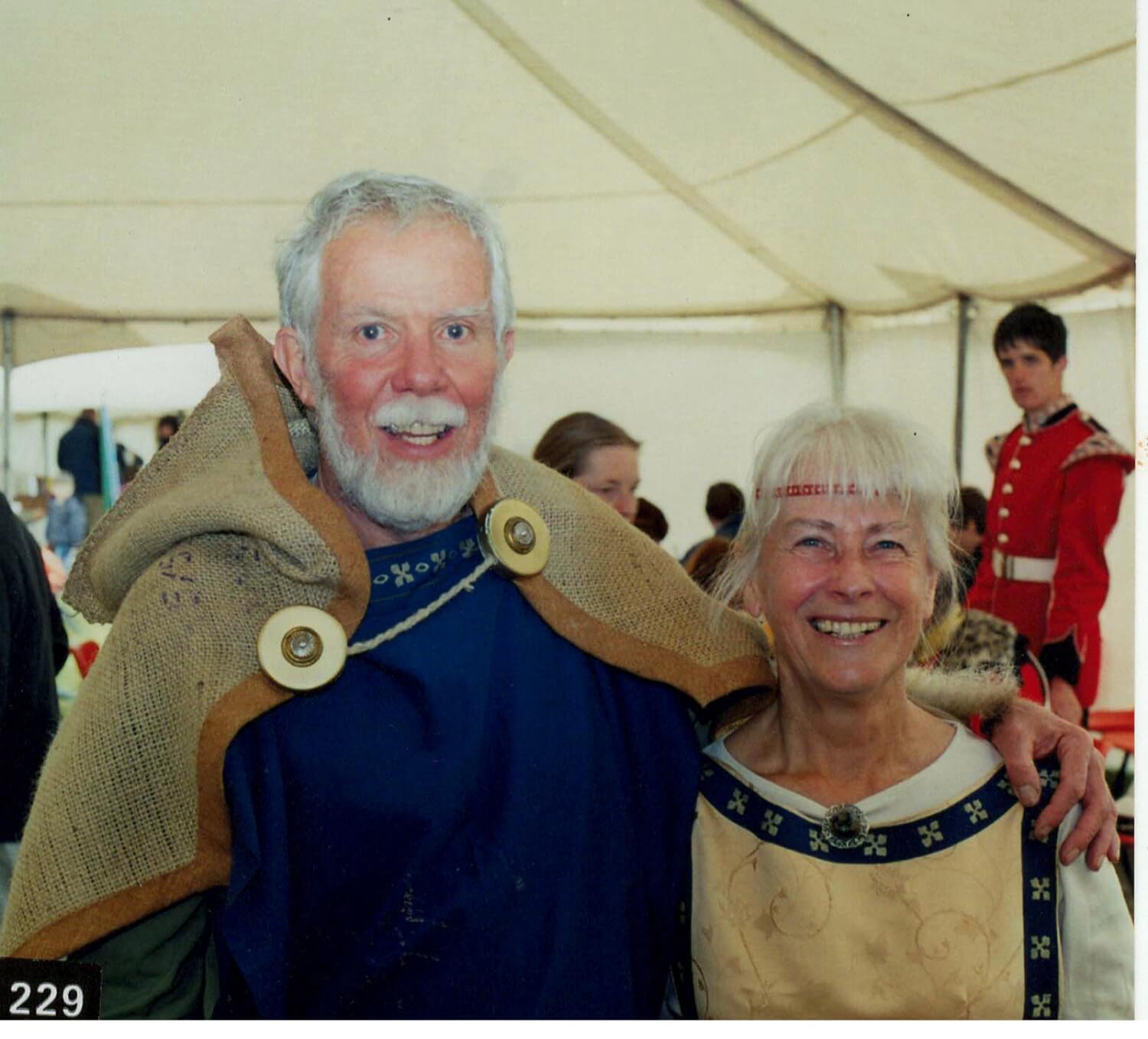
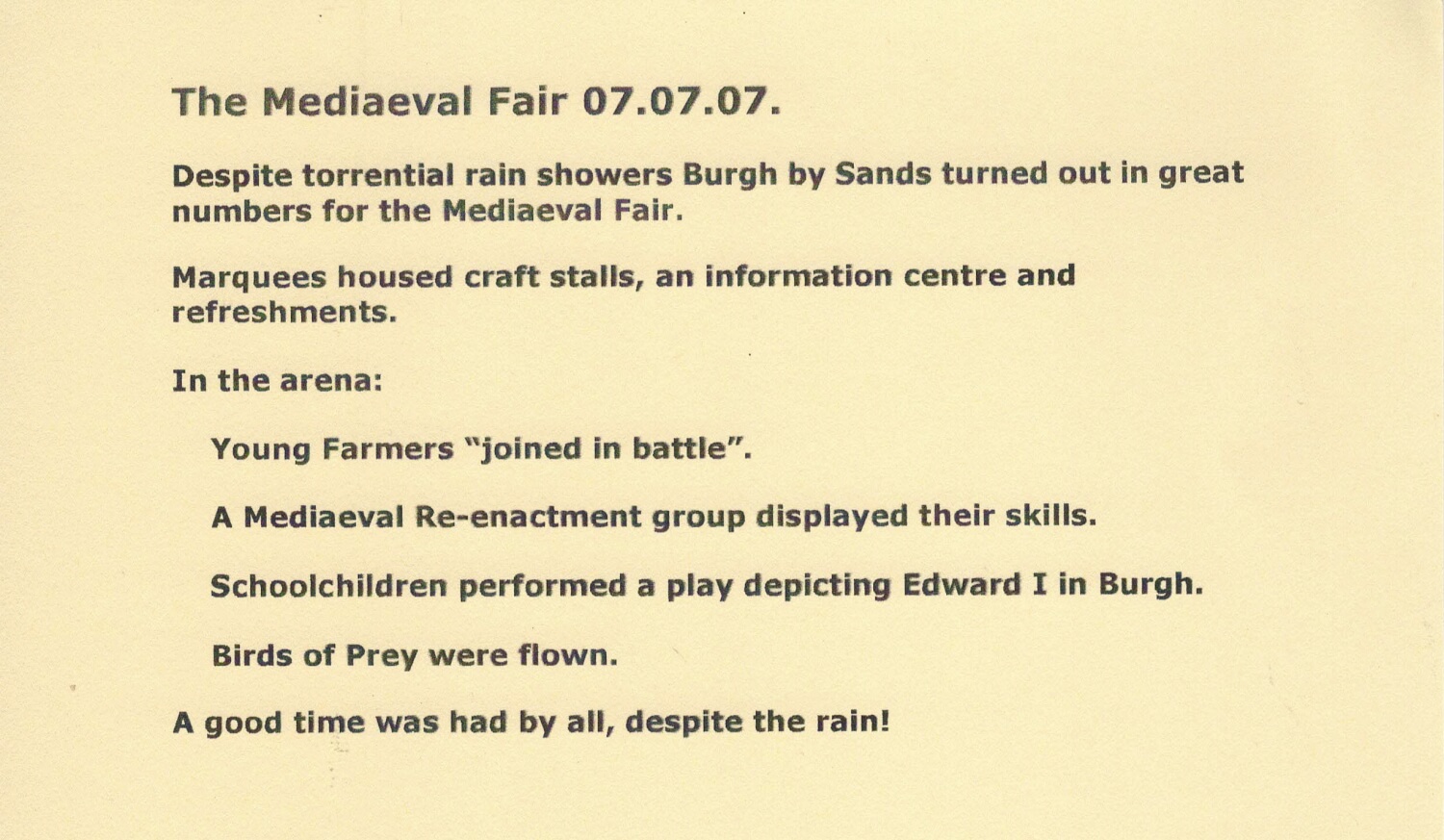
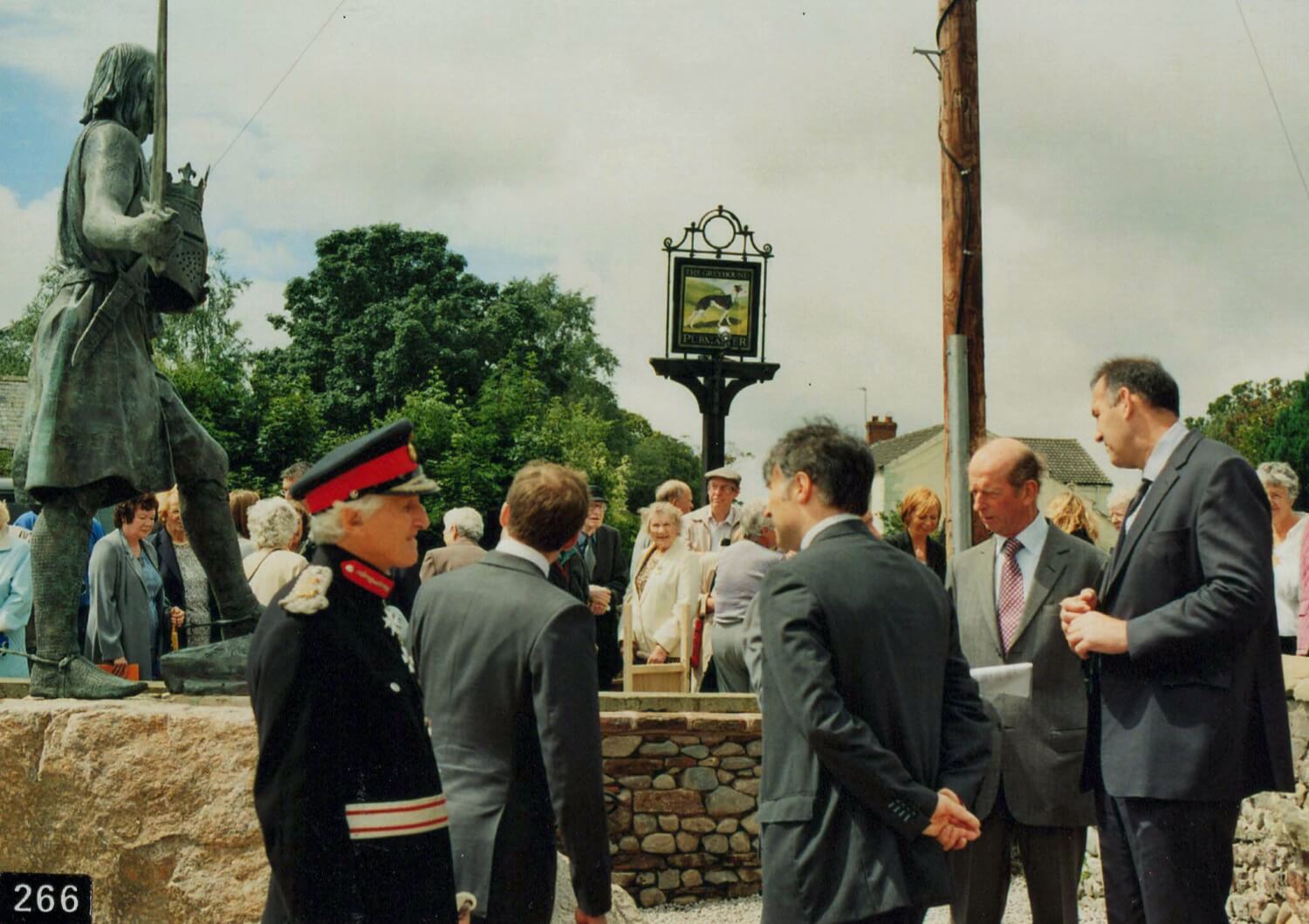
07/07/07: Duke of Kent’s Visit on the 700 anniversary of Edward 1 death on Solway Marsh:
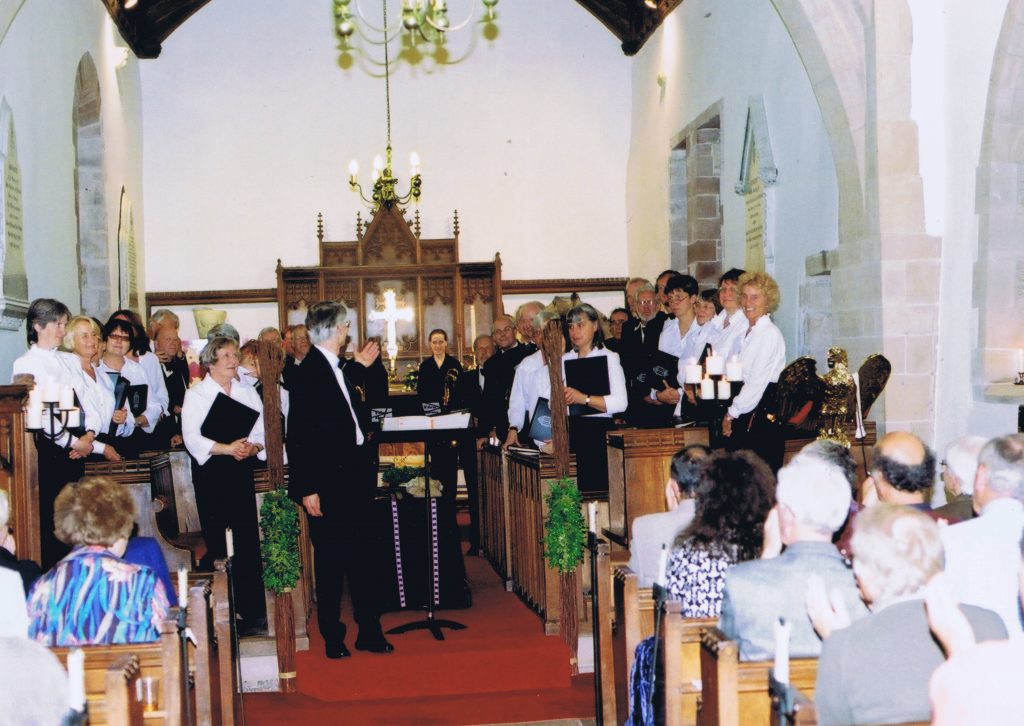

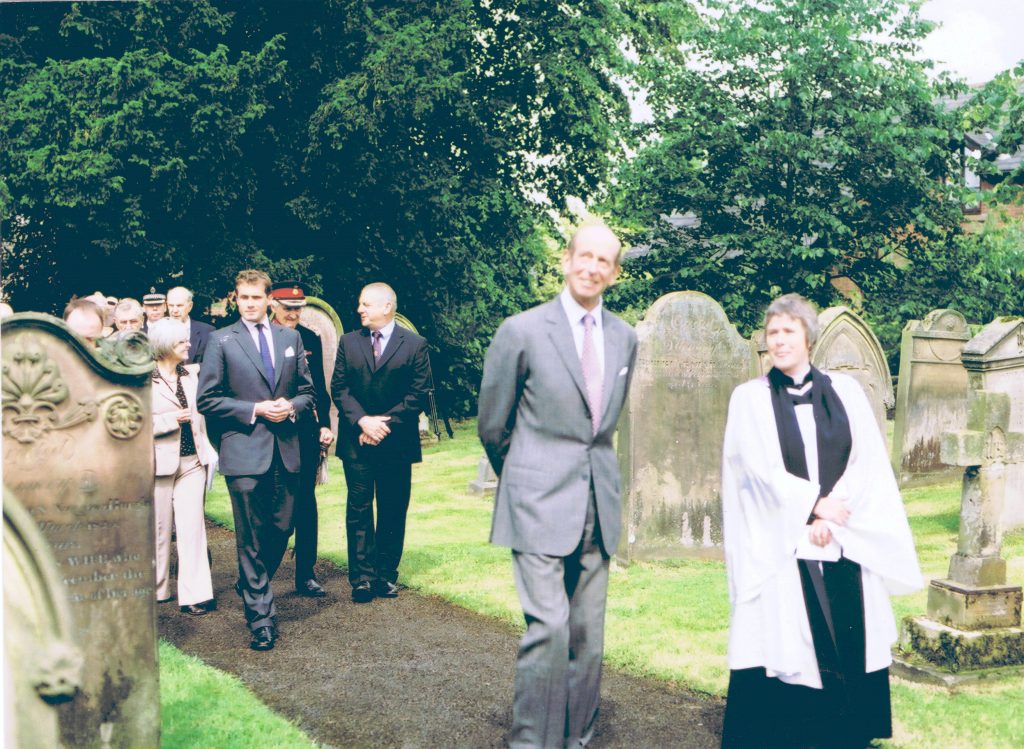
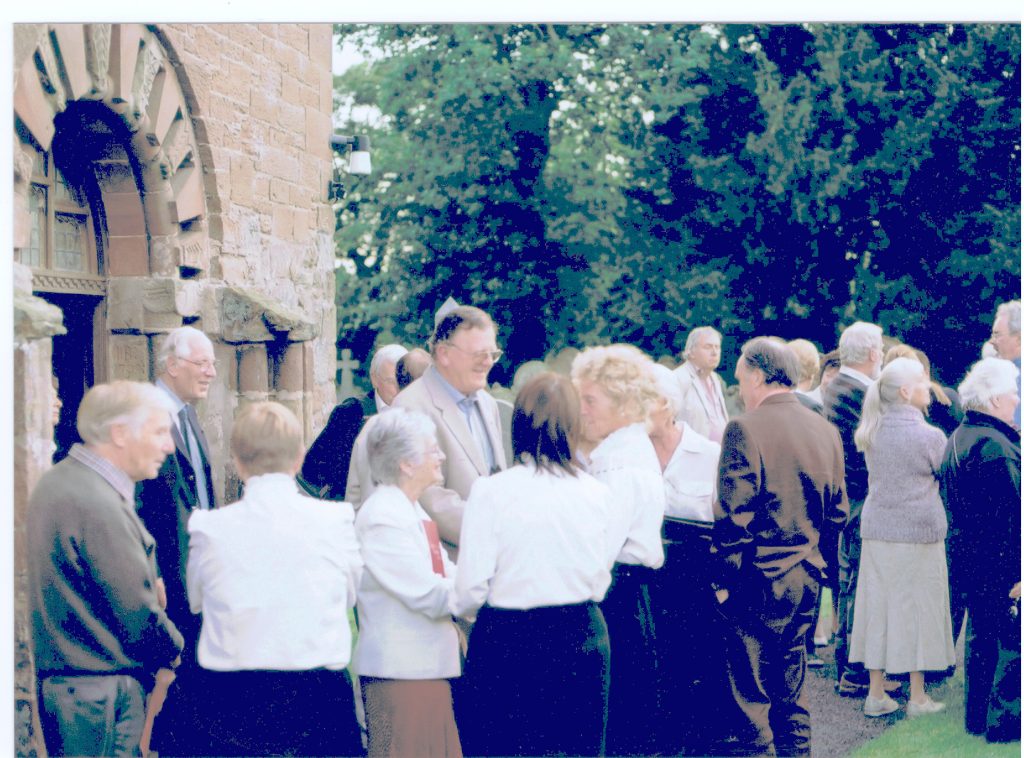

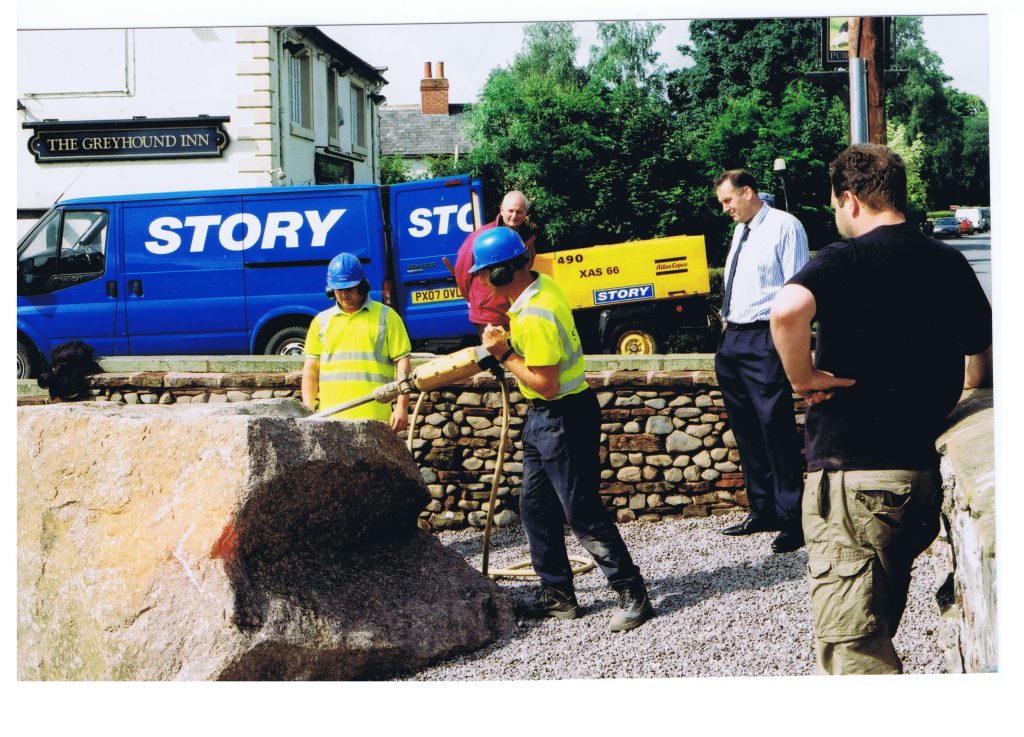
Commemoration of Edward 1st Statue:





EPSON MFP image
EPSON MFP image

EPSON MFP image

EPSON MFP image

EPSON MFP image
EPSON MFP image


EPSON MFP image

EPSON MFP image
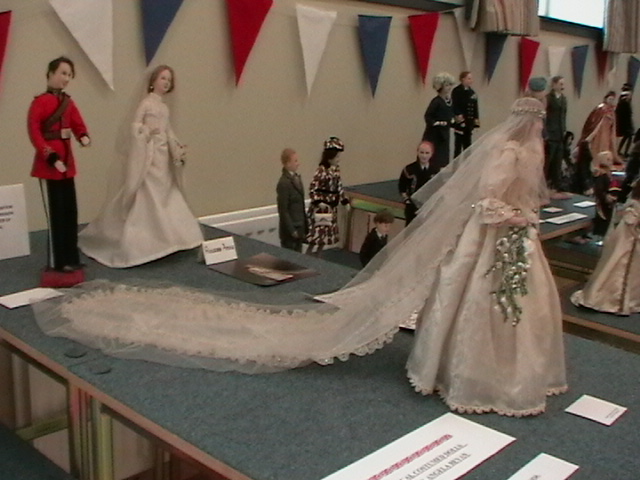
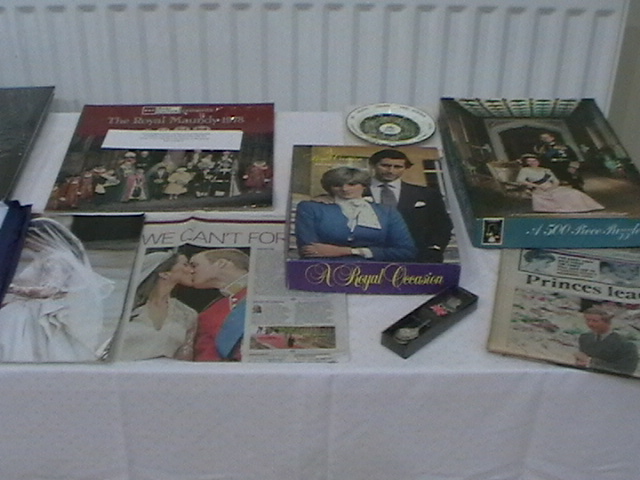
Royal Wedding Celebrations 2010


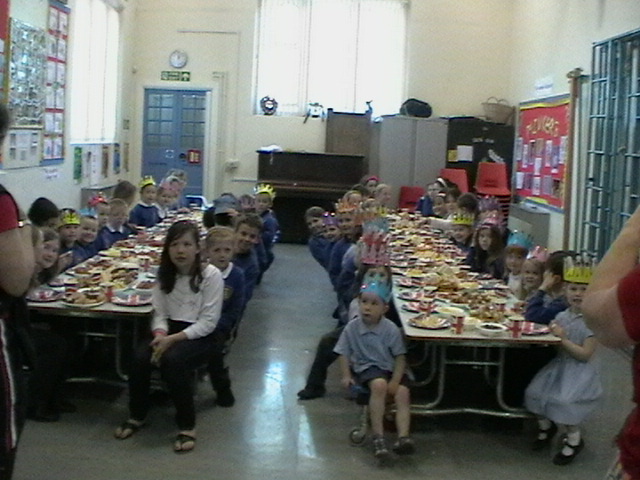

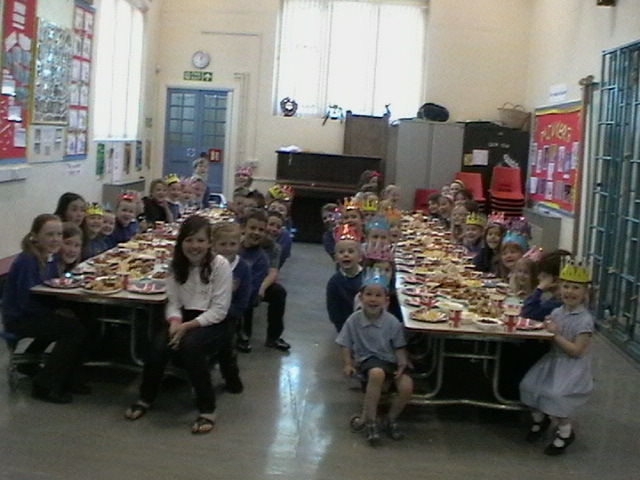
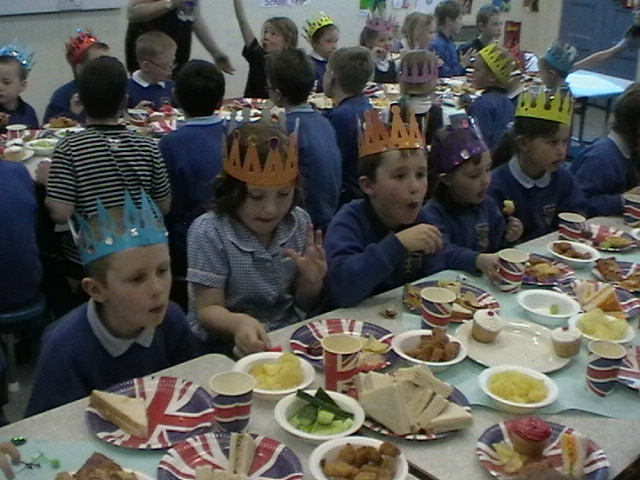

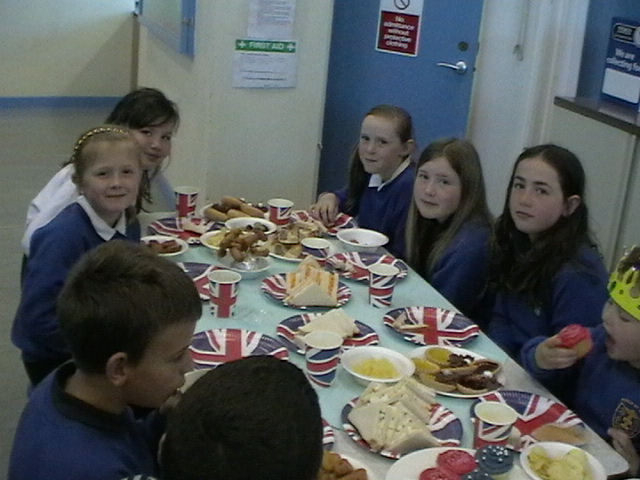
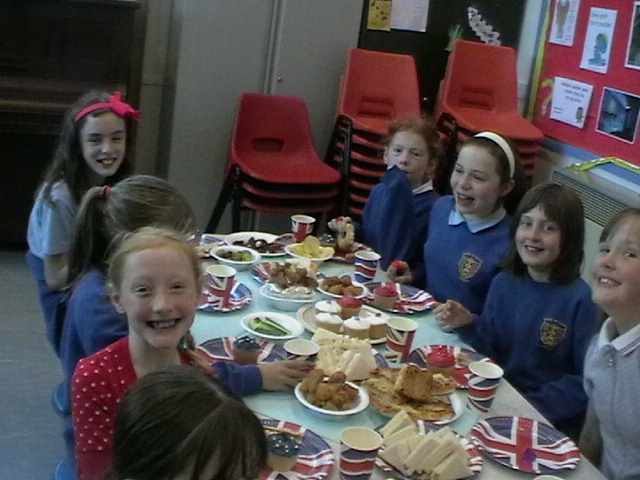

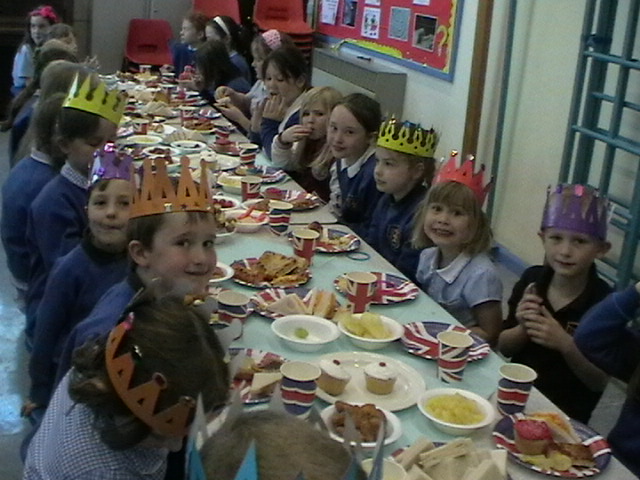

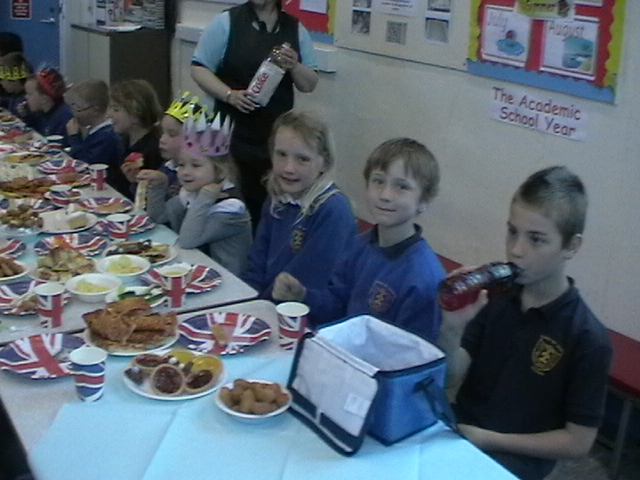
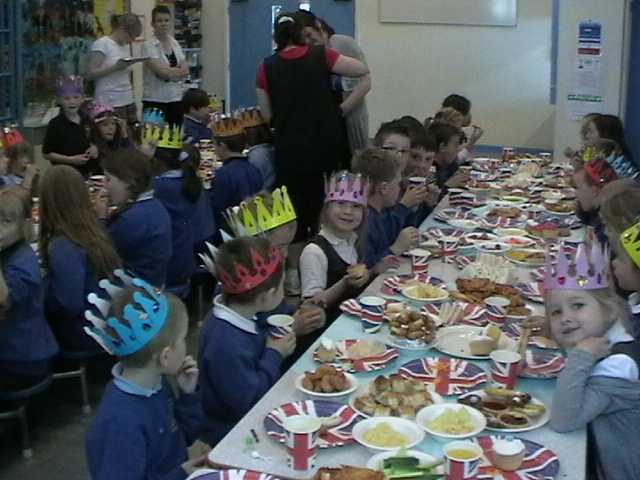

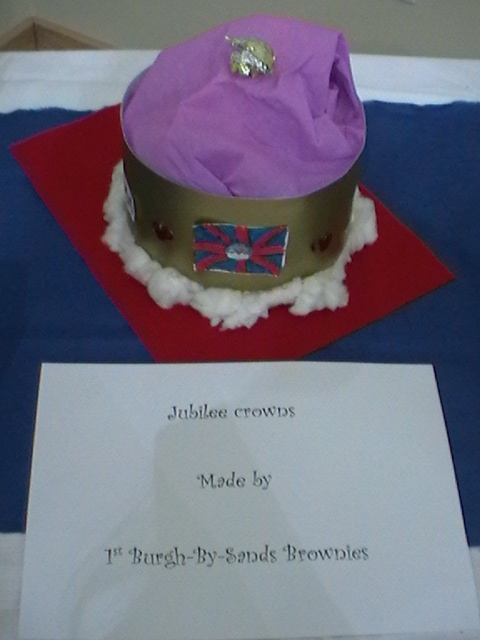
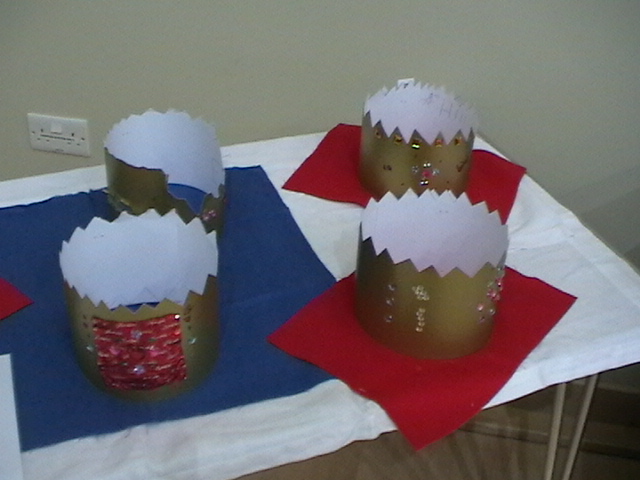
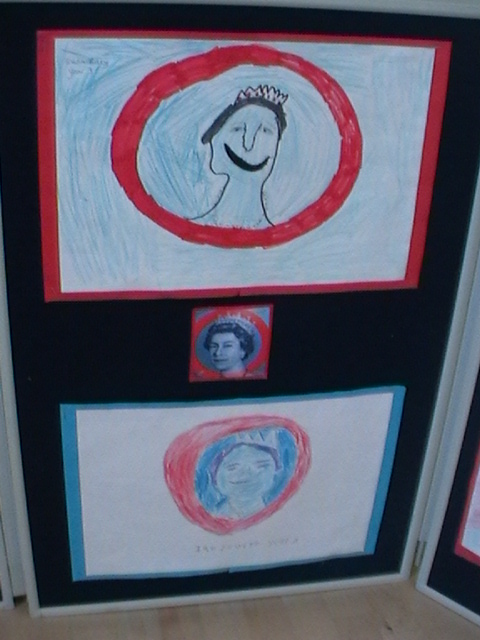
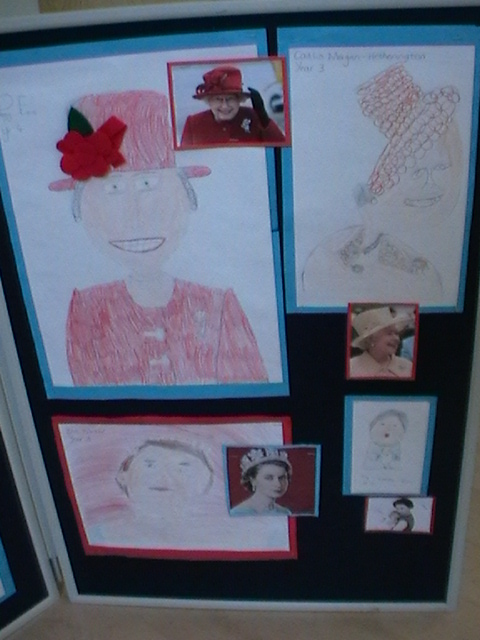
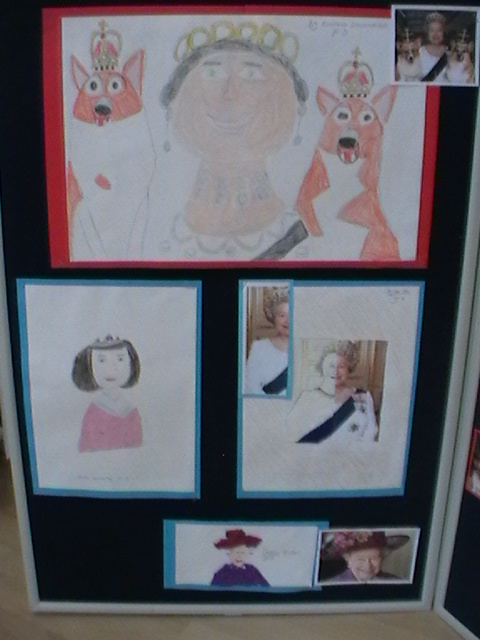
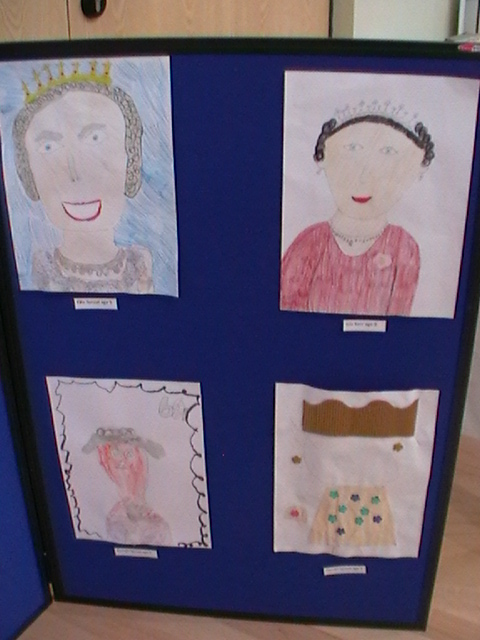
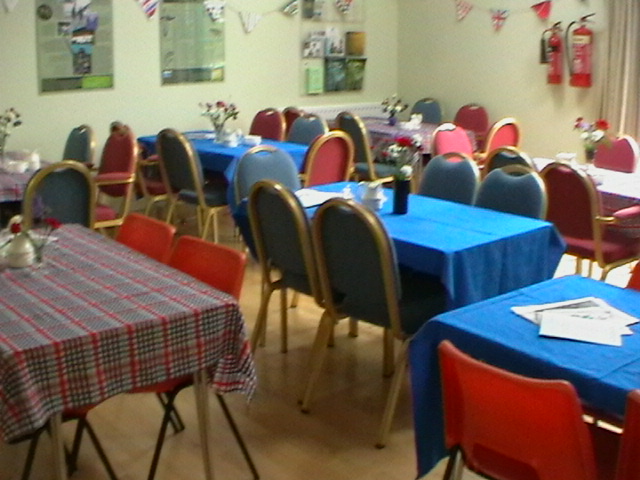
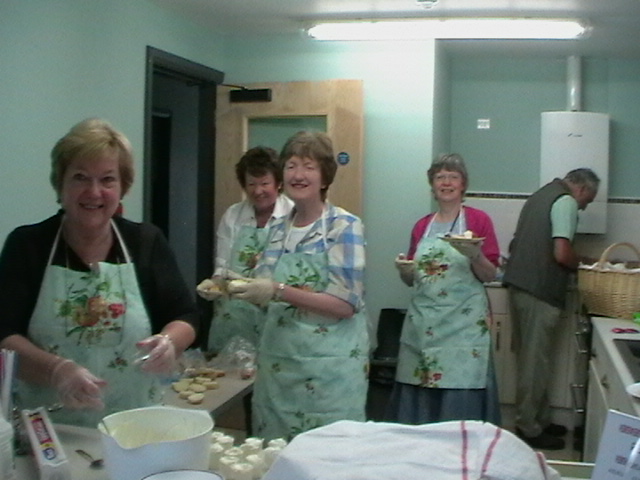
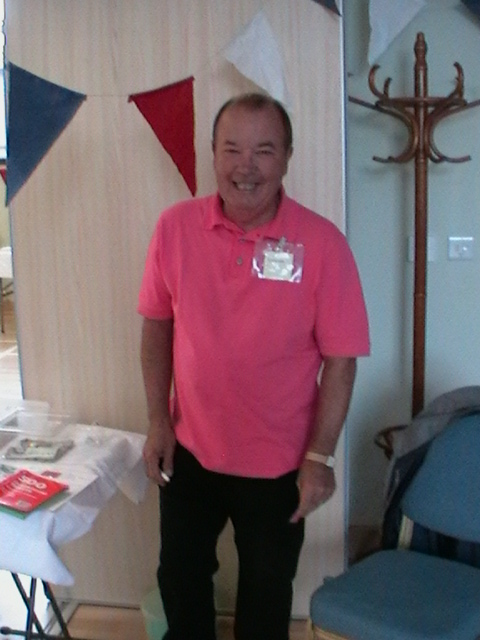
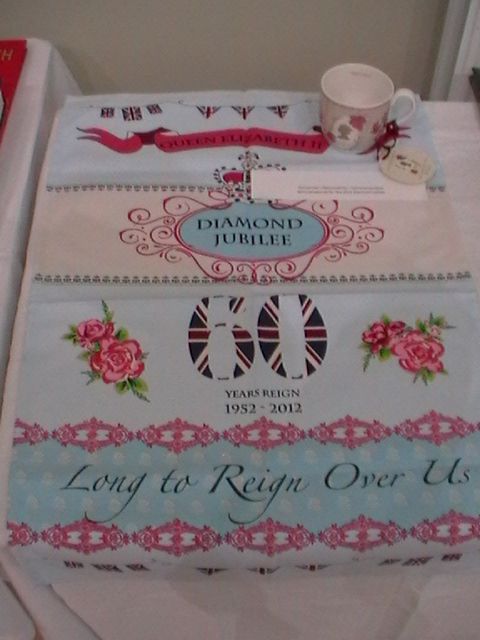
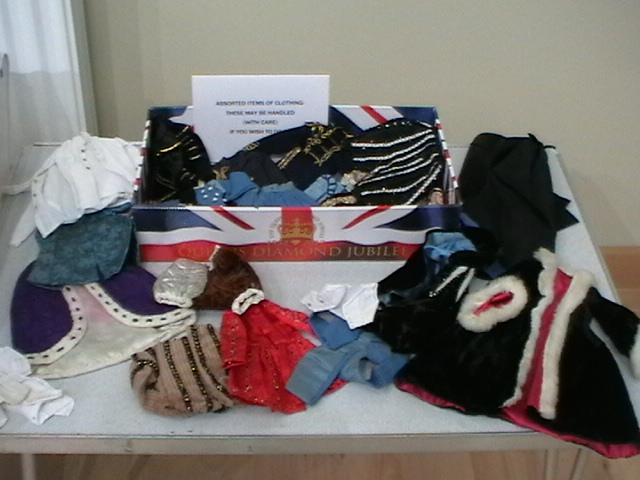
JUBILEE Celebrations 2012